
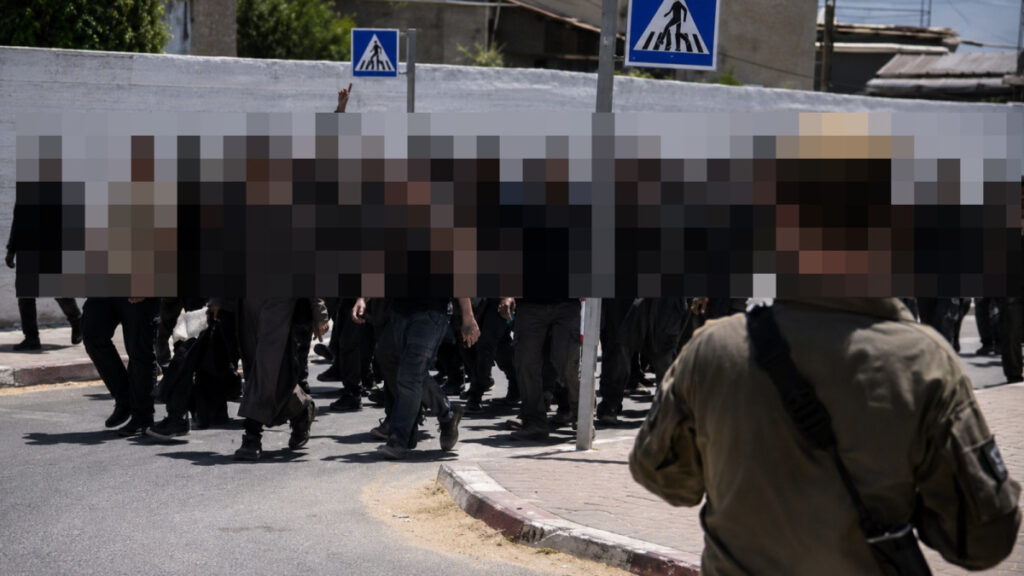

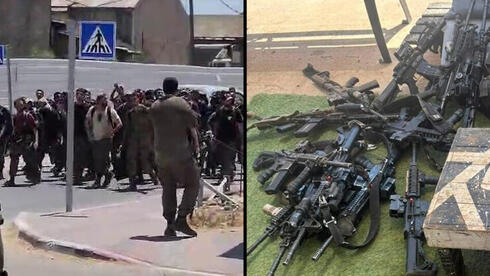
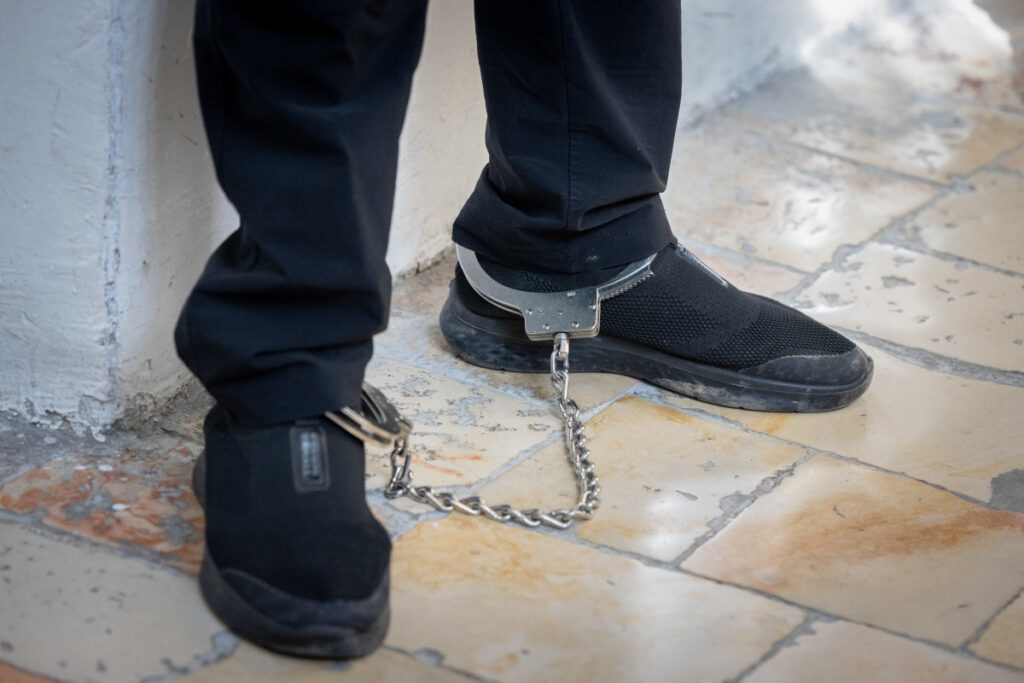
Seventeen soldiers who led a rebellion at the Tze’elim training base in the Negev have been sentenced to 30 days in military prison, with one additional soldier receiving a 20-day sentence. All 18 soldiers involved have been discharged from active duty as a result of their participation in the uprising. The incident marked one of the most significant acts of insubordination within the Israeli military in recent years, with soldiers openly defying orders at the southern training facility.
In a controversial turn, the battalion commander at the centre of the dispute has faced no disciplinary action whatsoever. Instead, he received backing from his superior officer, the divisional commander, effectively shielding him from prosecution. This disparity in treatment has raised questions about accountability within the military hierarchy and whether junior soldiers bore disproportionate responsibility for the conflict.
The mutiny at Tze’elim, one of Israel’s primary military training centres, underscored tensions within the armed forces over operational decisions and command authority. The soldiers’ collective action represented a rare moment of organised resistance within the typically hierarchical Israeli Defence Forces structure. Military officials have not disclosed the specific grievances that prompted the rebellion, though such incidents typically stem from disagreements over safety protocols, operational procedures, or command decisions affecting soldiers’ welfare.
Source: Maariv — Original article in Hebrew.



 © 2026 News In Israel - Israeli News In English. All Rights Reserved.