
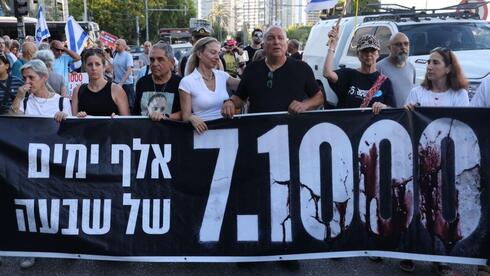

Israeli officials have declared that their military operations have inflicted unprecedented damage on hostile forces across multiple fronts, significantly degrading their operational capabilities compared to the pre-October 7th period. However, despite these battlefield successes and the dramatic depletion of enemy ranks, none of the country’s principal adversaries have been entirely eliminated or formally surrendered, complicating efforts to declare a conclusive end to hostilities.
The assessment represents a complex picture for Israeli policymakers: military objectives have been substantially achieved through months of sustained operations, yet the fundamental security threats that prompted the campaign remain unresolved. Senior officials acknowledge that whilst enemy forces have been weakened considerably, their organisational structures continue to function and maintain resistance, preventing the kind of decisive victory that would allow for a genuine ceasefire or peace settlement.
This reality underscores the distinction between tactical military success and strategic resolution. Israel’s ability to inflict heavy damage on armed groups does not automatically translate into the permanent elimination of threats or the establishment of long-term security arrangements. Military analysts suggest that achieving true cessation of conflict will require either complete destruction of adversary capabilities—a goal that remains incomplete—or negotiated political solutions that address underlying grievances and security concerns.
The ongoing situation reflects broader complexities in modern asymmetric conflicts, where traditional concepts of victory and surrender no longer apply in straightforward ways. Israeli defence officials continue to stress that while their forces maintain military superiority, achieving lasting peace requires outcomes that extend far beyond the battlefield.
Source: Ynet — Original article in Hebrew.




 © 2026 News In Israel - Israeli News In English. All Rights Reserved.