
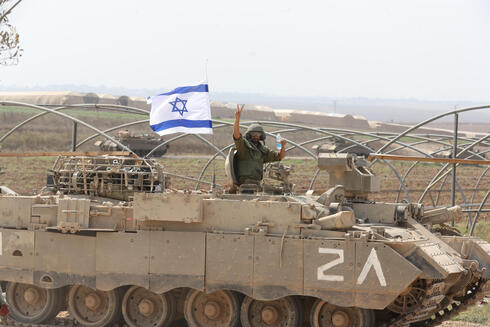

Israeli politics has long operated as a troubling startup venture, with politicians manufacturing fear and exploiting public anguish to maintain their grip on power. Yet when the earth trembled and darkness fell across the nation, this carefully constructed illusion was consumed by the fires of conflict.
The devastating events that shook Israeli society exposed the hollowness of conventional political strategies built on division and manufactured anxiety. What emerged instead was a recognition that survival and recovery demand something far more substantial than the divisive tactics that have dominated the political landscape for years.
The “1,000 Days” initiative represents a fundamental shift in approach—away from the politics of fear and towards a strategy centred on genuine national healing and reconstruction. Rather than exploiting collective trauma for electoral advantage, this framework proposes channelling national resolve into concrete recovery efforts that serve the broader public interest.
For Israelis exhausted by perpetual political brinkmanship, the plan signals a potential departure from the zero-sum calculations that have long defined public discourse. Whether this marks a genuine transformation in Israeli political culture or merely another iteration of familiar patterns remains to be seen, but the appetite for substantive change has clearly been reignited by recent events.
Source: Ynet — Original article in Hebrew.


 © 2026 News In Israel - Israeli News In English. All Rights Reserved.