
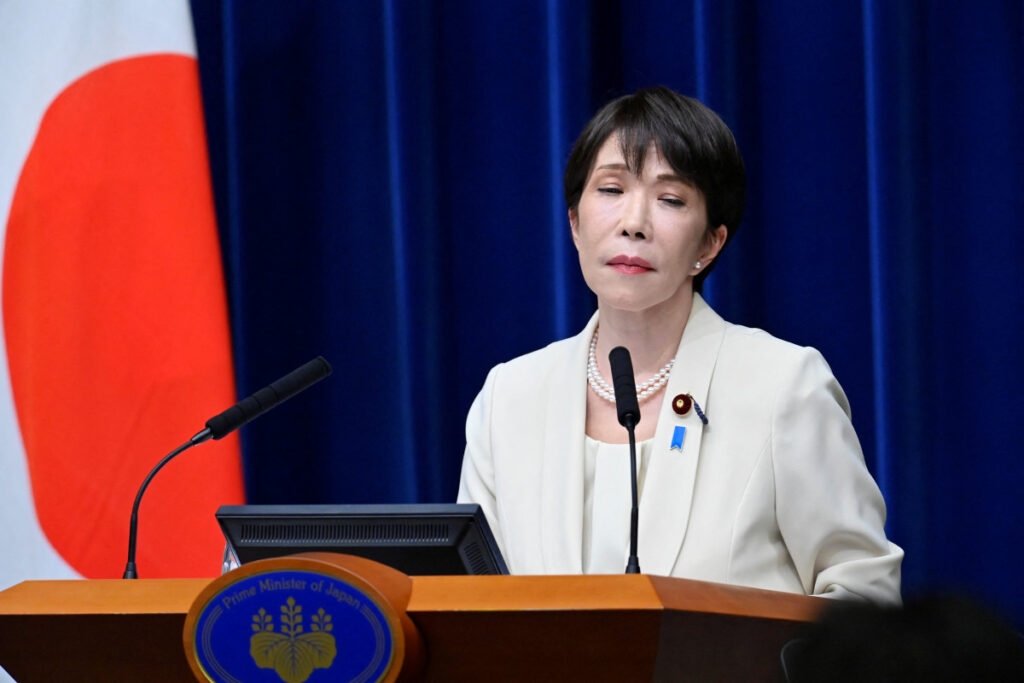

Japan is attempting to reshape public perception of its military expansion by framing it as an economic opportunity rather than a security threat. The government is actively promoting investment in weapons manufacturing and advanced defence technologies, positioning military development as a driver of economic growth and technological innovation for the nation.
This rebranding strategy comes as Japan faces what it describes as an unprecedented strategic challenge: China’s military capabilities and intentions towards Taiwan. Tokyo officials have warned that the situation across the Taiwan Strait represents the greatest geopolitical risk to Japan’s security, with potential implications for regional stability and Japan’s own territorial interests.
The initiative seeks to overcome historical reluctance among Japanese citizens and policymakers regarding military expansion, a legacy of post-war pacifism enshrined in the country’s constitution. By emphasising economic benefits—job creation in advanced manufacturing, technological development, and industrial growth—the government hopes to build broader public and political support for increased defence spending and military modernisation.
Japan’s approach reflects a broader strategic shift in East Asia, where regional powers are accelerating military investments in response to perceived threats. The country has been progressively loosening constraints on defence spending and military activities in recent years, though any significant constitutional changes remain contentious domestically.
This dual messaging—combining traditional security concerns with economic opportunity narratives—represents Tokyo’s attempt to navigate between Cold War-era pacifist sentiment at home and the pressing security demands of a rapidly shifting geopolitical landscape in the Indo-Pacific region.
Source: Maariv — Original article in Hebrew.





 © 2026 News In Israel - Israeli News In English. All Rights Reserved.