
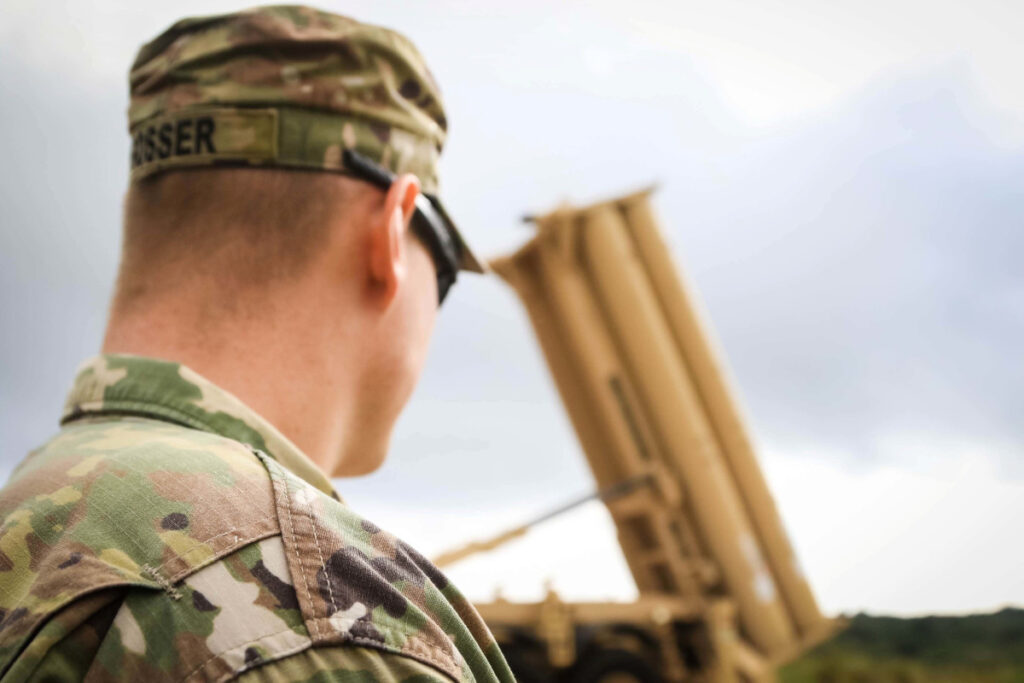

The United States has depleted nearly 80 per cent of its THAAD air defence missiles and approximately half of its Patriot systems during operations against Iran, according to US assessments. The alarming depletion rates have sparked serious concerns among defence officials and Gulf allies about America’s ability to sustain prolonged military operations in the region.
These critical supply shortages were among the key factors that influenced President Trump’s decision to postpone a planned retaliatory strike scheduled for the end of the week, sources indicate. The planned operation had already been approved and was in its final stages of preparation when military planners presented Trump with updated logistics assessments detailing the extent of ammunition consumption.
The development has put considerable pressure on Gulf states, which rely heavily on American military protection and have grown increasingly anxious about the sustainability of US defence commitments in the region. Several partners expressed concern that depleted air defence stocks could leave them vulnerable during a period of heightened regional tensions.
Military analysts suggest the situation highlights a broader challenge facing the Pentagon: maintaining adequate stockpiles of advanced air defence systems while simultaneously conducting intensive operations. The incident underscores the logistical complexities of sustained military engagement and raises questions about whether current production rates can keep pace with operational demands.
Source: Maariv — Original article in Hebrew.


 © 2026 News In Israel - Israeli News In English. All Rights Reserved.