
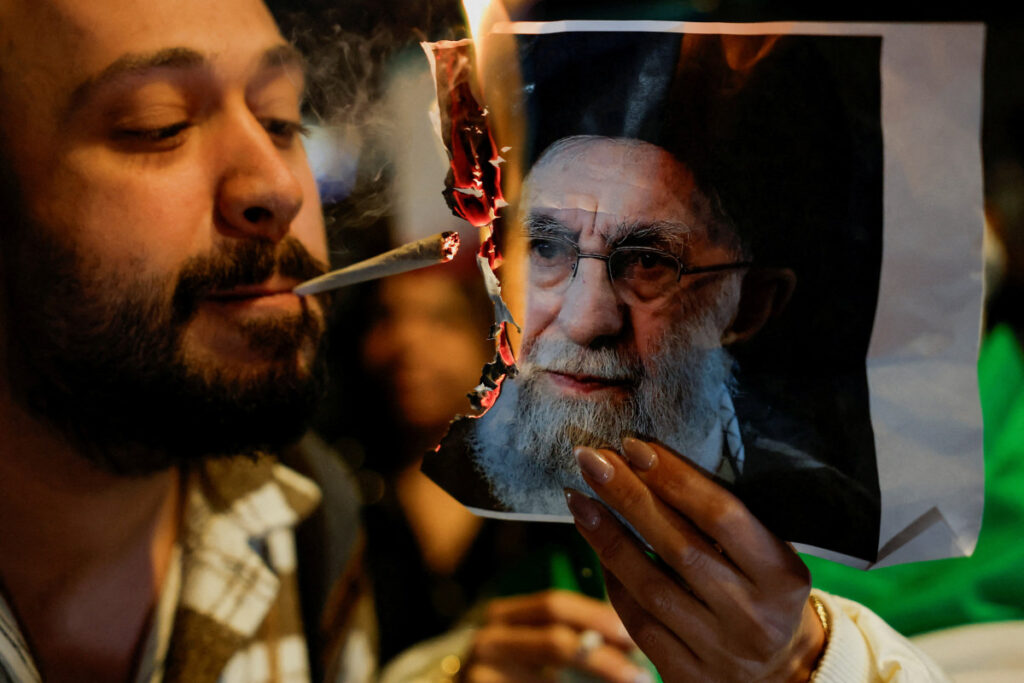

Iran faces a mounting crisis that threatens to destabilise the regime from within, with widespread power cuts, water shortages, and soaring inflation creating conditions for potential upheaval. These pressures, combined with growing security force fatigue and increasing opposition coordination, could ultimately prove more consequential than external military threats, according to analysts monitoring the situation. The Iranian government has struggled to manage basic infrastructure demands while maintaining its extensive security apparatus, leaving citizens facing daily shortages of essential services.
The economic deterioration has been compounded by international sanctions and mismanagement, creating a perfect storm of discontent. Citizens report frequent blackouts affecting homes and businesses, while water scarcity has reached critical levels in major population centres. Price inflation has eroded purchasing power, particularly affecting lower-income families who spend the majority of earnings on food and utilities.
Security forces, stretched thin across multiple fronts including internal suppression and border control, are showing signs of strain. Reports suggest reduced morale among military and police personnel, who themselves struggle with the same shortages affecting the general population. This degradation of security apparatus effectiveness could significantly hamper the regime’s ability to respond to civil unrest.
Meanwhile, opposition movements have become increasingly organised, with dissident groups coordinating efforts despite state restrictions. The combination of economic hardship, infrastructure collapse, and weakened security capacity has created a window of vulnerability that may define Iran’s political trajectory more significantly than its military posturing in regional conflicts.
Source: Maariv — Original article in Hebrew.
 © 2026 News In Israel - Israeli News In English. All Rights Reserved.