
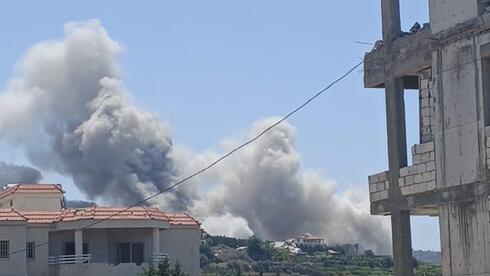

The Israeli Defence Force has reported what it describes as a “flagrant breach” of the ceasefire by Hezbollah, leading to the evacuation of an entire village in northern Israel. However, the military has simultaneously announced that its retaliatory strikes will remain “targeted” in scope—a significant constraint that reflects deep divisions between the army’s strategic preferences and the political leadership’s caution.
According to reports, senior military commanders have privately advocated for far more intensive bombardment operations against Hezbollah positions in Lebanon. The political echelon, however, has resisted these calls, at least for now, reflecting concerns about escalation at a time when fragile diplomatic efforts remain ongoing.
The tension comes as negotiations between Israeli and Lebanese government officials continue in Rome, aimed at shoring up the ceasefire that has held since November. Those talks were truncated today following the reported Hezbollah violations but are expected to resume, suggesting political leaders want to preserve the possibility of a negotiated settlement despite the military provocations.
The disagreement underscores a familiar pattern in Israeli decision-making: military commanders typically favour decisive force, whilst political leaders weigh broader strategic considerations, including international pressure and the risk of wider regional conflict. With Hezbollah regularly accused of testing the ceasefire’s boundaries, the question of how far Israel will tolerate violations before unleashing the full force its military has prepared remains one of the most consequential in current Middle Eastern geopolitics.
Source: Ynet — Original article in Hebrew.
 © 2026 News In Israel - Israeli News In English. All Rights Reserved.