
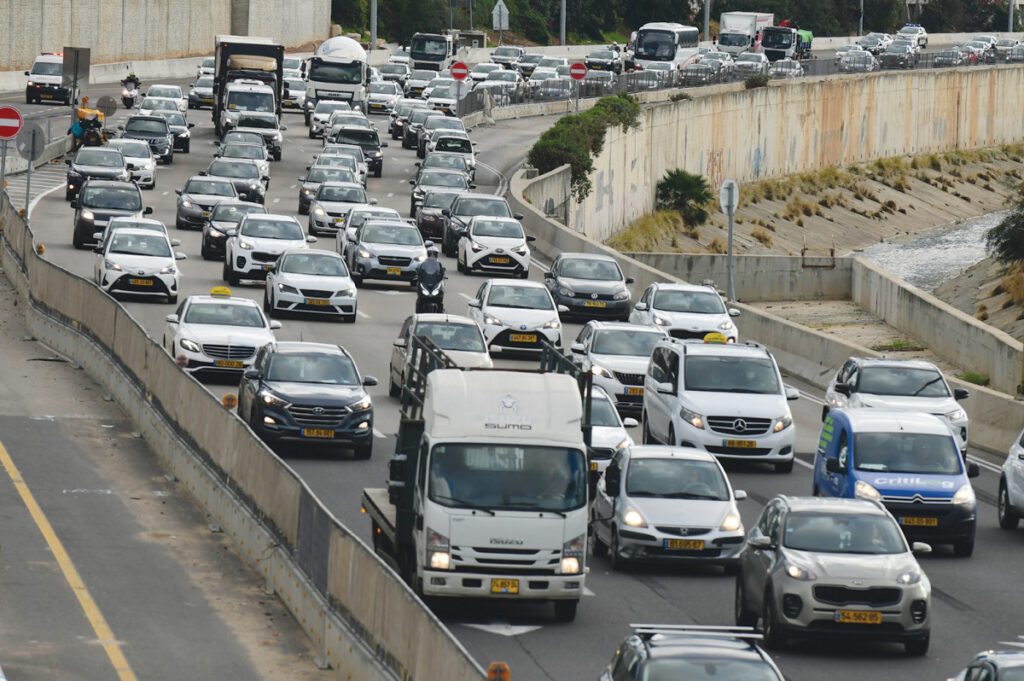

Israel’s roads authority has deployed approximately 170 artificial intelligence-powered adaptive traffic lights on inter-city highways in an effort to reduce congestion and journey times. The authority reports that the new system has already delivered significant results, with an average saving of around 25 seconds per vehicle at each junction, and a combined daily saving of approximately 400 vehicle-hours across monitored intersections. If these figures prove consistent across Israel’s road network, the cumulative time savings for drivers could amount to roughly two weeks per year.
Adaptive traffic lights represent a significant upgrade from traditional fixed-time systems. Rather than operating on predetermined cycles regardless of traffic flow, the AI-powered lights adjust their timing in real-time based on current vehicle volumes, congestion patterns, and road conditions. This allows traffic to flow more smoothly during peak hours whilst maintaining efficiency during quieter periods.
The deployment forms part of broader efforts by Israeli transport authorities to tackle traffic congestion, which has long been a persistent problem on the country’s busiest routes. With the inter-city highway network now equipped with these systems, officials are reportedly considering wider rollout to additional roads and urban areas. The technology demonstrates how data-driven infrastructure improvements can deliver measurable quality-of-life benefits for commuters without requiring major road construction or expansion projects.
Source: Maariv — Original article in Hebrew.


 © 2026 News In Israel - Israeli News In English. All Rights Reserved.