
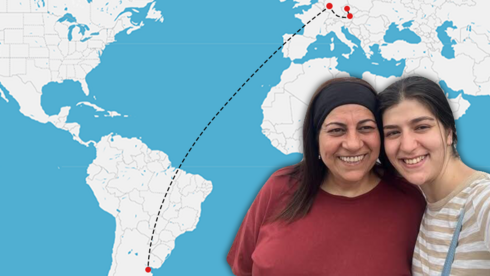

In a world where nearly every step leaves a digital footprint—tracked by mobile phone antennae, credit card transactions, CCTV cameras, airline tickets and location data—the question is no longer whether we can cover our tracks, but whether we retain any right to choose this path at all. Yet despite the omnipresence of surveillance, every person retains a fundamental right to privacy, even in disappearing.
The article examines the growing tension between state and corporate surveillance infrastructure and individual privacy rights. As technology advances, the mechanisms of tracking have become increasingly sophisticated and inescapable, creating a landscape where truly leaving no trace appears nearly impossible for ordinary citizens.
Even as authorities and companies accumulate unprecedented data on our movements and habits, privacy advocates argue that the right to solitude and anonymity remains a cornerstone of personal freedom. The question of whether individuals can ethically and legally seek to minimise their digital footprint—and whether society should permit them to do so—sits at the heart of contemporary debates about surveillance, consent, and individual liberty in democratic societies.
Source: Ynet — Original article in Hebrew.



 © 2026 News In Israel - Israeli News In English. All Rights Reserved.