
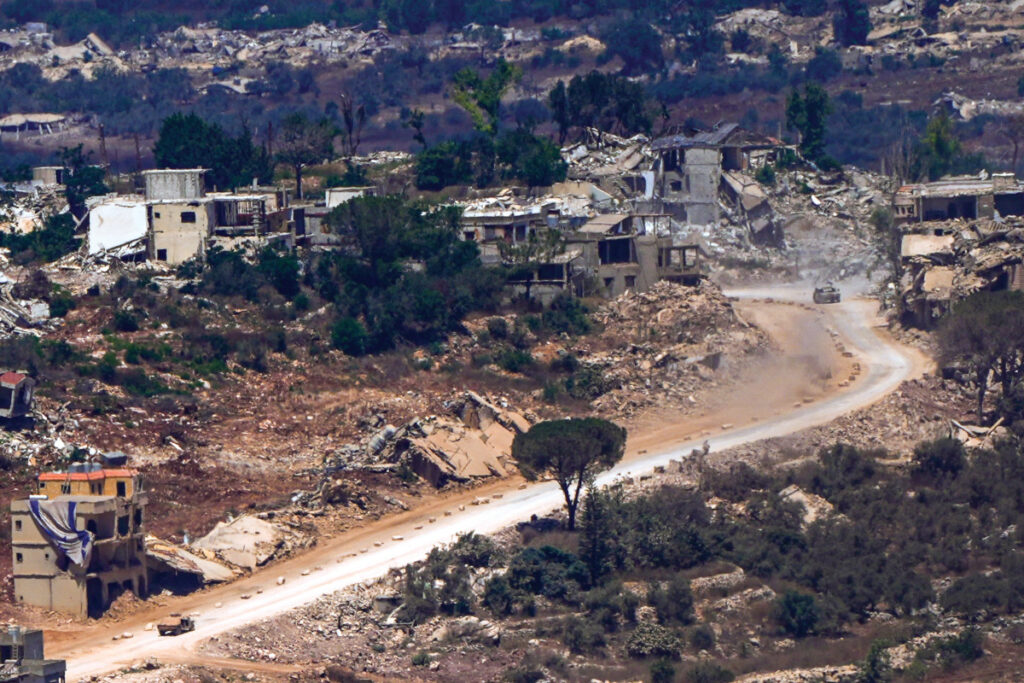

Twenty years after the Second Lebanon War, UN Security Council Resolution 1701 is primarily remembered as a failure to disarm Hezbollah of its weapons. Yet alongside this strategic setback, the resolution achieved something equally significant: 17 years of relative calm along the Israeli-Lebanese border. This distinction between what the resolution failed to accomplish and what it actually delivered offers crucial lessons for Israeli policymakers today. The resolution, which ended the 2006 war, established a framework that, despite its limitations, created extended periods of stability that both sides largely respected. As Israel faces renewed conflict with Hezbollah, the original resolution’s core structure—imperfect as it may be—represents a more viable path forward than many currently acknowledge. The cost of abandoning this framework without a credible alternative may prove far higher than the cost of enforcing it properly from the outset. Israel’s reluctance to fully implement and rigorously enforce Resolution 1701’s provisions over the past decade has contributed significantly to the current security situation. Rather than dismissing the resolution as fundamentally flawed, Israeli and international policymakers should recognize that its real failure lay not in its design but in inconsistent enforcement. The international community’s inability to prevent Hezbollah’s rearmament, combined with Israel’s own hesitation to take decisive action when violations first became apparent, created the conditions for the present crisis. A renewed commitment to the resolution’s original principles—combined with far greater resolve in enforcement—remains the most realistic framework for achieving sustainable security, even if it falls short of the complete disarmament many hoped for in 2006.
Source: Maariv — Original article in Hebrew.




 © 2026 News In Israel - Israeli News In English. All Rights Reserved.