The hot summer months also brought with them the mosquitoes, which we really didn't miss, and they won't give up any opportunity to bite us, buzz near our ears or just hang around in front of our faces. The lucky ones will not suffer from them, but there are also those who feel that "mosquitoes only infect them". And they don't imagine. Researchers have found several reasons that could explain why some people have a greater tendency to get stung than others. Experts on behalf of the Ketzet company explain:
Blood type – the factor that has been tested the most in studies is blood type. According to a study published in 2004, people with type O blood are twice as likely to be stung as people with type A blood.
Sweat – one of the reasons that explain why there is a greater tendency to get bitten in the height of summer is that mosquitoes are attracted to lactic acid, uric acid and other substances excreted from the body during sweating.
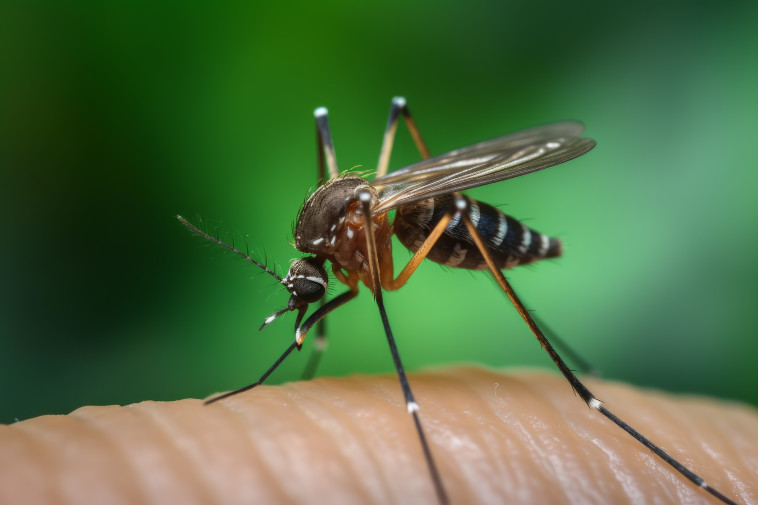 Are mosquitoes attracted to you? This is probably the reason (photo: EngImage)
Emission of carbon dioxide – Another study found that mosquitoes are attracted to concentrations of carbon dioxide. Accordingly, people who emit more carbon dioxide, for example during physical activity, may attract mosquitoes more frequently. The rate of exhalation is faster and therefore there is more emission of carbon dioxide. The same goes for pregnant women, who will often get tired faster and breathe heavily, which will increase the emission of carbon dioxide from their bodies.
Nutrition – Spicy foods and consumption of alcoholic beverages may increase the emission of carbon dioxide and thus increase the attraction of mosquitoes to the area. Foods high in salt can also increase the attraction of mosquitoes, because they will increase the concentration of lactic acid in sweat.
Age – although it was not found to be a significant factor in influencing the chance of being stung, it is important to remember that being stung in children and toddlers has a higher chance of complications. Because their immune system is less developed, they have a greater risk of developing an allergy or local sensitivity. In addition, it is likely that toddlers and children will be able to show less restraint in scratching the bite, which will increase the irritation.
 Dr. Lahvit Akerman, a specialist in dermatology and aesthetics (photo: Alon Shafransky)
Dr. Lahvit Akerman, dermatology specialist: "Some people have a tendency to get stung more than others, especially among children. Also, sometimes at the site of the bite, a kind of allergic skin reaction develops – manifested in a red and swollen lump that is usually very itchy. It is highly recommended not to scratch the bites for several reasons: the itching injures the skin and may cause secondary infection of the bite by bacteria, scratching the bite will lead to slower healing, itching and injury to the skin can leave scars on the skin – which sometimes cannot be gotten rid of, the itching itself (although it seems to bring relief), actually stimulates the secretion of substances (cytokines) that further stimulate the itching – that is, a kind of vicious cycle of itching."
This is how you will protect yourself from mosquitoes
There are several actions that can be taken to prevent bites, or at least reduce the presence of mosquitoes in our environment naturally and without the use of chemicals:
1. Bites can be avoided when we are at home or outside by using preparations recommended by pharmacists and doctors, intended for application on the body, to deter mosquito species.
2. It is recommended to install nets on all the windows of the house and its openings and to use fans that will make it difficult for the flies to sting.
3. It is important to dry standing water sources that are near the house (for example: after watering the grass in the yard). Even a glass of water or the bottom of a flower pot full of stagnant water may serve as fertile ground for mosquitoes to breed.
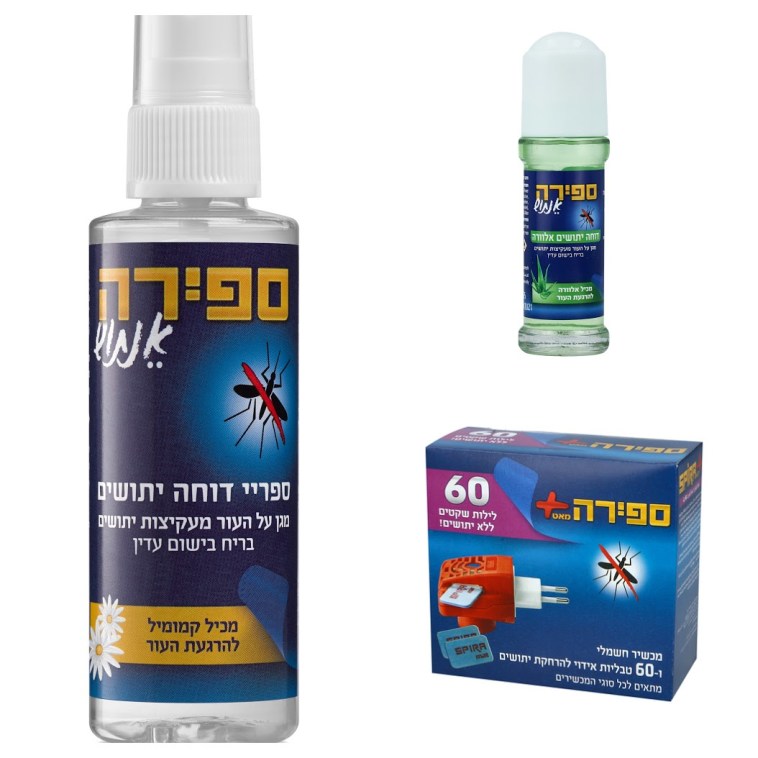 Safira's mosquito repellent products (Photo: Public Relations)
4. It is recommended to plant a citronella bush in the yard or in a planter. The typical citrus smell of this plant is known as a natural mosquito repellent. You can even use an aromatic oil containing citronella and drip a few drops around the bed such as on the corner of the sheet, or using an oil diffuser.
5. After the bite, try not to itch and try to apply a preparation for immediate relief of itching and redness that helps to restore and calm itching and redness (mainly due to antibacterial components and soothing substances such as aloe vera, pentanol and glycerin that will help calm the area).
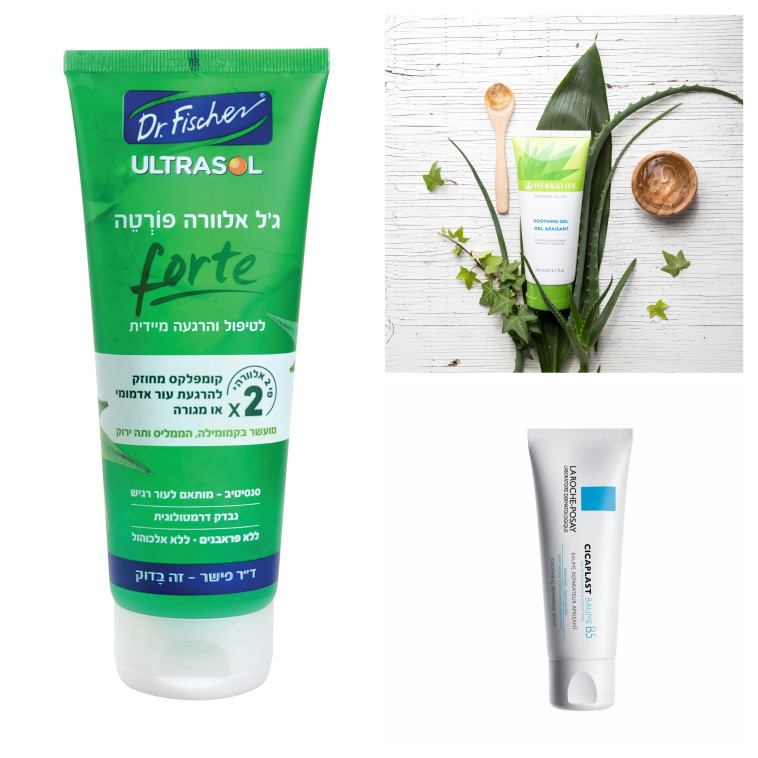 Preparations for the restoration and relief of skin irritations and mosquito bites (Photo: Assaf Levy, Moti Fishbein, Yael Han)
6. It is recommended to treat the bite marks quickly before they turn into scars with a special preparation, and in addition, to avoid exposure to the sun, which slows down the healing and may worsen the resulting stain.
7. Many times what itches is the allergic reaction to the bite. If you tend to get stung and react to a sting with a lump and swelling accompanied by annoying itching, it is recommended to contact your doctor and ask for an antihistamine preparation (available by prescription only) in order to reduce the itching, which should be applied to the sting before it develops. It is always easier to treat a problem before it becomes a bigger problem.
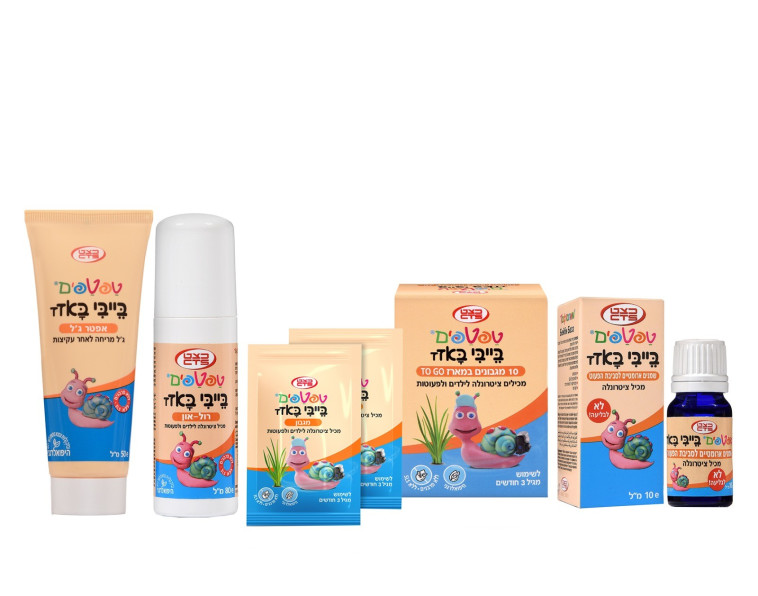 Baby Buzz products to protect against bites and to relieve itching for children and toddlers (Photo: Yehats)