
A senior political official revealed new details this evening (Wednesday) about the kidnapping of the Israeli-Russian citizen Elizabeth Tsurkov by the Shia militia "Kataab" of Hezbollah.
Sponsorship by the Quds Force and assistance from Nasrallah: this is the organization that kidnapped the Israeli woman in Iraq
"I am against prisoner transactions": the tweet from the past of the Israeli woman who was kidnapped in Iraq
Tsurkov is a doctoral student at Princeton and has been dealing with the Middle East issue for years. She arrived in Iraq on the basis of academic work, where she entered with a Russian passport. Recall that according to Israeli law, Iraq is an enemy country and therefore Israeli citizens are not allowed to enter an enemy country even with a foreign passport. Later, it turned out that this was not the first time that Zurkov traveled to Iraq and other countries.
She is believed to have been kidnapped around March. Israel estimates that she is probably being held in Iraq while she is alive and in good condition. In addition, it is emphasized that she is not an agent of an institution.
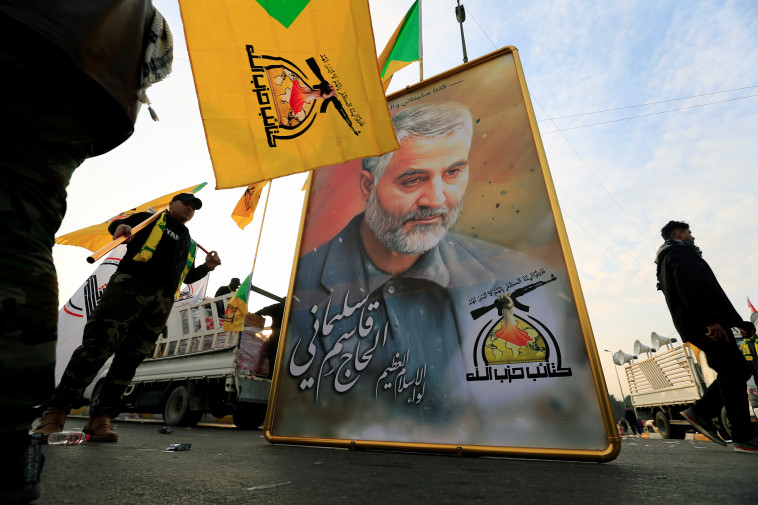
 Hezbollah battalions (Photo: REUTERS/Thaier al-Sudani)
"We have been accompanying the event for some time. The State of Israel, like any Israeli citizen in distress, will make every effort to bring them home. It is impossible to detail the efforts, actions are being taken accordingly. Since the beginning of the event, we have been in close contact with the family. Israel is working in several directions, examining all kinds of ways that will lead for her release. We are trying to examine ways to prevent similar events in the near future and in general. Intensive headquarters work is being done to see how to carry out enforcement. There is also a personal responsibility of Israelis, those who have a foreign passport can go to any country, including enemy countries. There are ethical and other problems here We suggest to any Israeli who is considering such actions, to reconsider," the source said.
According to him, "The Iraqi government is responsible for its safety, we see it as responsible. We do not monitor Israeli citizens around the world. If and when we are aware of a potential danger to one or another citizen, we know how to handle this situation. But we don't always have the option. In these circumstances – We clarify, both orally, and on the MLA website, the prohibition in the law to reach enemy countries."