
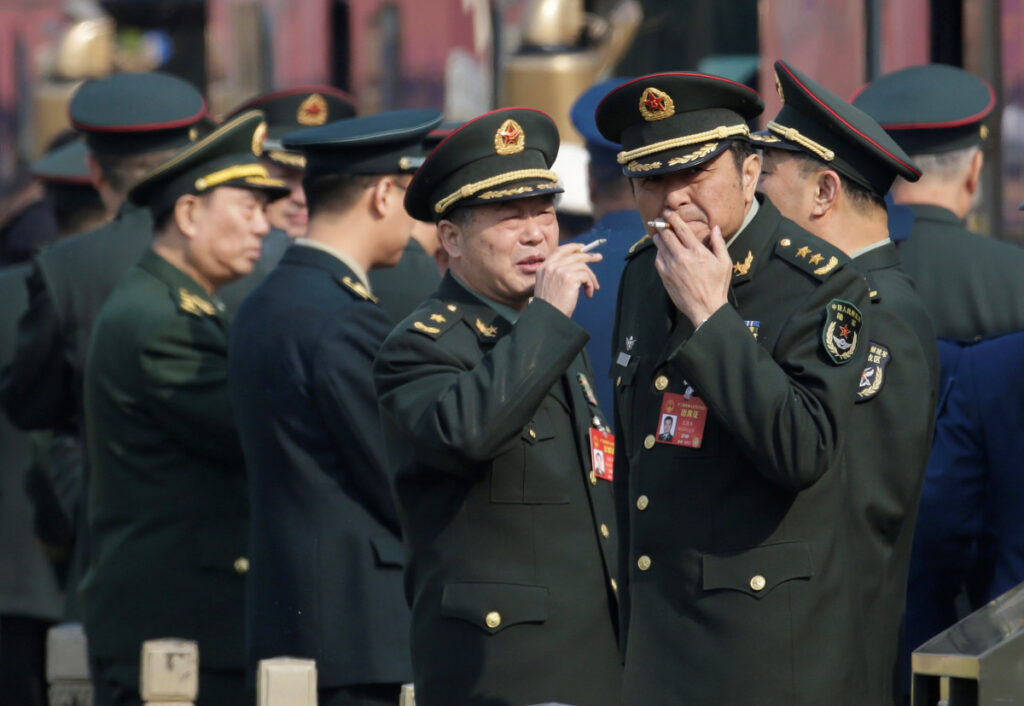

China is intensifying its pressure across Southeast Asia as it pushes to expand its influence in the South China Sea, according to recent analysis. The New York Times has warned that America’s military focus on countering Iran is eroding US deterrence capabilities in the region, creating a strategic vacuum that Beijing appears determined to exploit.
The shift reflects broader concerns among Washington’s regional allies about America’s ability to maintain its traditional security commitments in Asia. With substantial US military resources committed to operations in the Middle East, several Southeast Asian nations are growing increasingly concerned about their own strategic vulnerability.
China has been systematically expanding its presence in disputed waters, conducting military exercises and consolidating its territorial claims in ways that challenge the established international order. These moves have prompted nervous responses from countries including Japan, South Korea, and the Philippines, all of which depend on American military support to counterbalance Chinese regional dominance.
The tension highlights a fundamental strategic dilemma facing the Biden administration: managing commitments in both the Middle East and Indo-Pacific simultaneously. Some analysts argue that America’s sustained focus on Iran risks allowing China to achieve significant geopolitical gains while US attention is divided, potentially reshaping the balance of power across Asia for years to come.
Related: Iran's ties with China
Source: Maariv — Original article in Hebrew.



 © 2026 News In Israel - Israeli News In English. All Rights Reserved.