
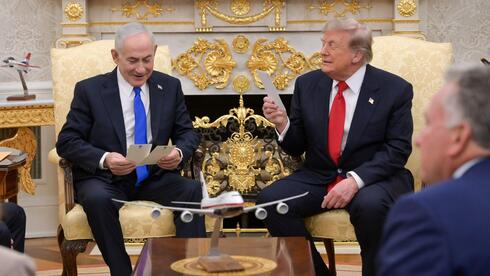

Iran may not be the headline issue in current Middle Eastern negotiations, but rather a symptom of a broader strategic shift. Senior Israeli officials and international observers suggest that the incoming Trump administration is signalling a fundamental restructuring of how Israeli government should operate going forward. The message being conveyed is unmistakable: if Prime Minister Benjamin Netanyahu is to form his next government, he will need to pursue an entirely different political approach than his current coalition arrangement.This reframing reflects deeper concerns about regional stability and Israel’s diplomatic positioning. The Abraham Accords, which normalised relations between Israel and several Arab nations, represented a significant departure from traditional Middle East peacemaking. However, their success has created new expectations and dependencies that require careful management within Israeli domestic politics.Notably, Netanyahu has recently begun publicly discussing the possibility of a unity government that would transcend his traditional political coalition. This shift in rhetoric is hardly coincidental, analysts suggest, but rather a calculated response to external pressure and a recognition that the next chapter of Israeli governance may need broader internal consensus to succeed in the transformed regional environment. The move signals an acknowledgment that narrow coalition politics may hinder Israel’s ability to navigate the complex diplomatic landscape ahead, particularly as the region recalibrates its relationships and alliances.
Source: Ynet — Original article in Hebrew.


 © 2026 News In Israel - Israeli News In English. All Rights Reserved.