
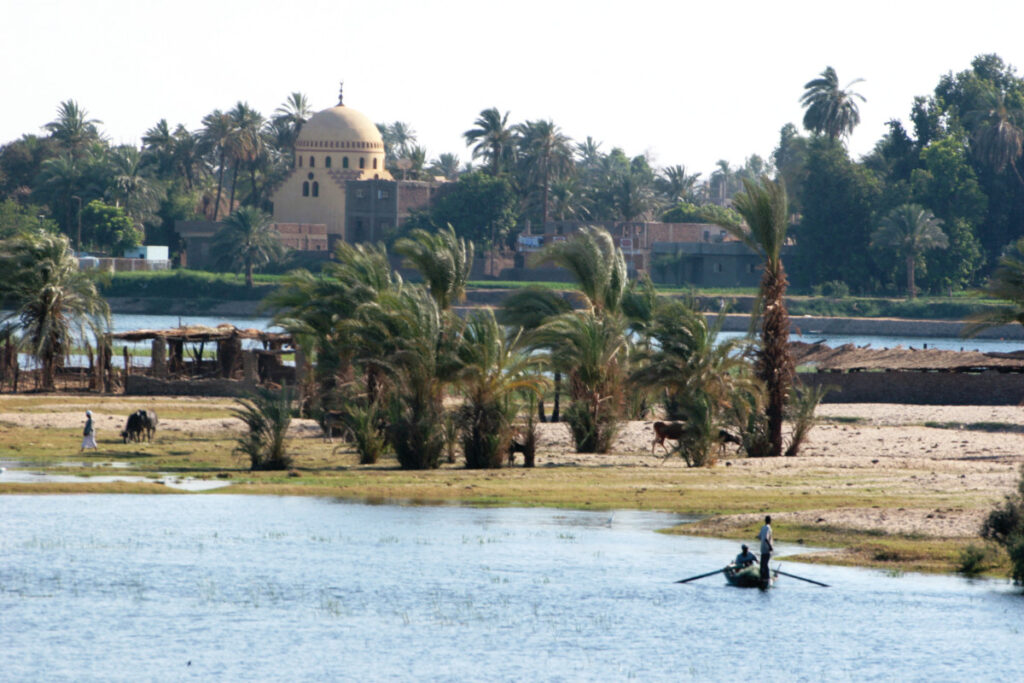

Ethiopia has announced plans to construct three additional dams on the Blue Nile, declaring that water flow to Egypt and Sudan will be under its control. The statement has provoked a sharp response from Cairo, which views the project as a direct threat to its water security and national interests. Egypt warned that it will not allow Ethiopia to unilaterally alter the situation on the ground, signalling potential escalation of tensions over the region’s most precious resource.
The dispute centres on control of the Blue Nile, a critical tributary of the Nile River that provides the majority of the river’s flow during the rainy season. Ethiopia, which views dam construction as essential for its development and electricity generation, has already built the Grand Ethiopian Renaissance Dam (GERD), Africa’s largest hydroelectric project. The country’s latest announcement suggests plans for significant further expansion of its hydroelectric capacity.
Egypt, which depends on the Nile for approximately 95 per cent of its fresh water supply, has repeatedly expressed concerns that Ethiopian dam construction could reduce water flow to the country, threatening agriculture and drinking water supplies for its 100 million-plus population. Sudan, positioned between the two nations, faces its own complex water security challenges and has previously called for international mediation.
The dispute reflects broader tensions over Nile water rights among the ten nations whose territories encompass the river basin. Historical colonial-era agreements have given Egypt preferential rights to the river’s waters, but Ethiopia and other upstream nations argue these arrangements are outdated and fail to reflect modern development needs. International efforts to broker a comprehensive agreement on dam management and water sharing have repeatedly stalled.
Source: Maariv — Original article in Hebrew.





 © 2026 News In Israel - Israeli News In English. All Rights Reserved.