


The prostate gland, also known as the prostate, begins its journey almost at the beginning of life itself. As early as the ninth to twelfth week of fetal development in the womb, the gland begins to form under the influence of male sex hormones. It grows from a layer of cells called the endoderm and is located at the base of the developing bladder. At these stages, it is small and dormant, waiting for the moment when the body reaches sexual maturity to begin its full activity.
As a child grows, the gland remains the size of a small pea, and only with the arrival of puberty and the dramatic increase in testosterone levels, does it undergo a significant growth spurt and reach the size of a walnut. This is the stage when this biological factory opens its doors and begins to work around the clock, a job that will continue throughout a man's life without a moment of rest. The functioning of the prostate is a masterpiece of chemistry and physics.

Its main and best-known function is the production of prostatic fluid, which constitutes about 30% of the volume of seminal fluid. This fluid is not just any fluid, but a complex solution that includes enzymes, zinc, and citric acid. One of the most important components produced by the gland is the PSA protein. The function of this protein is to liquefy the semen after ejaculation, an action that allows the sperm cells to swim freely and reach the egg.
Meanwhile, the fluid that the gland produces is particularly alkaline, a fact designed to neutralize the acidic environment of the vagina, which would normally kill sperm cells immediately. The gland operates 24 hours a day in a process of secretion and regeneration, with the autonomic nervous system regulating its activity and ensuring that it is ready for any moment when reproductive activity is required.
The location of the prostate is critical to understanding the problems it causes. It sits right at the junction of the bladder and urethra, wrapping around the tube like a tight ring. This anatomical arrangement is the source of most medical problems in adulthood. As a man ages, and especially after age 50, the gland tends to enlarge in a process called benign prostatic hyperplasia.
Although it is a natural process and not cancerous, this growth presses on the urethra and causes difficulty urinating, a weak stream and a feeling of incomplete emptying. It is a condition so common that almost every man who lives long enough will suffer from it to some degree. The gland that has not stopped working for a moment suddenly becomes a physical obstacle that requires medical, pharmacological or surgical intervention.
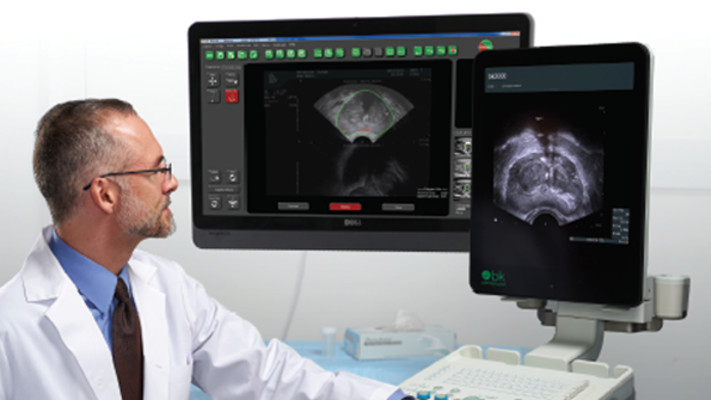
Beyond benign enlargement, there is the danger of developing malignant processes, as recently revealed in a publication about the Prime Minister's medical condition. Prostate cancer is the most common cancer among men in Israel and the Western world. The malignant tumor usually begins as a single cell within the glandular structure that begins to divide uncontrollably.
In the prime minister's case, the finding was very small, only 0.9 centimeters, indicating that it was detected at a very early stage. The fact that the disease is inside a closed organ allows doctors to treat it with focused radiation or surgery, with the goal of destroying the malignant cells before they break through the gland capsule and spread to other organs such as the pelvic bones or spine.
The prostate is an organ that is greatly influenced by lifestyle and the hormonal environment. Although genetics play a major role, a diet rich in animal fat has been found to be a factor that may increase the risk of diseases in the gland. Meanwhile, studies show that physical activity and consumption of lycopene, found in cooked tomatoes, for example, may help maintain the health of the gland.
Prostate health awareness should begin long before symptoms appear. A simple blood test to measure PSA levels can give an initial indication of what’s going on inside this hidden factory. When blood levels of the protein rise, it’s a sign that the gland is under strain, inflamed, or has a tumorous process, which requires further investigation with an MRI or biopsy.
A blood test for PSA protein levels is the main diagnostic tool for early detection of changes in prostate tissue. This is a protein that is produced exclusively by the gland cells, and its natural function is to assist in the mobility of sperm cells, but a certain amount of it reaches the bloodstream and serves as a medical marker. A high level of the protein in the blood can indicate the presence of inflammation, benign enlargement of the gland, or the presence of malignant cells, and therefore the result serves as an initial indication that requires further investigation by a specialist.
Although there is no blanket recommendation in Israel to perform the test as a screening for all men, the accepted approach in the world of urology is to offer it to men starting at age 50 as part of preventive health management. When there is a family history of prostate cancer or known genetic mutations, it is recommended to begin monitoring at age 40 or 45. The values considered normal depend on the patient's age and the size of the gland, with a level of less than four nanograms per milliliter generally considered to be within the normal range for the general population.
In young men, one would expect to see lower values that do not exceed 2.5 nanograms per milliliter, while in very old men, slightly higher levels may be obtained as part of the natural aging process of the organ. The importance of the test is not only in the single result but in the follow-up over time, as a rapid increase in values over several months may raise suspicion of the existence of a tumor process even if the result is still within the normal range.






 © 2026 News In Israel - Israeli News In English. All Rights Reserved.