

Last-minute negotiations between Iran and the United States over a memorandum of understanding have concluded with a key concession allowing Tehran to eventually impose tolls on vessels passing through the strategically vital Strait of Hormuz. Iranian news agency Tasnim reported on Monday that disputes over specific clauses in the agreement continued right up until the announcement, with both sides making significant compromises in the final hours of talks.
According to a source cited by Tasnim, Iran has been granted a 60-day exemption period during which ships will be allowed to pass through the strait without paying any fees. After this grace period expires, Iran plans to begin collecting tolls from commercial vessels transiting the waterway—a move that could significantly alter global shipping economics and geopolitical tensions in the Middle East.
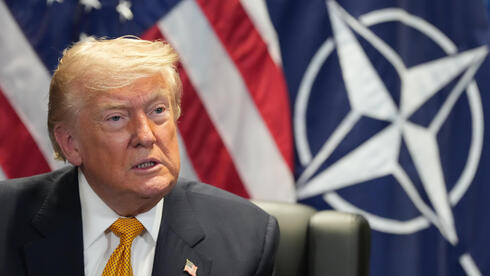
The negotiations revealed significant disagreement over the reopening of the strait itself. Former US President Donald Trump had insisted that the Strait of Hormuz be reopened and the blockade lifted immediately upon announcement of the agreement. However, Iran refused to accept these terms. As a result, both sides agreed that the formal process of reopening the strait would begin after the memorandum is signed on Friday, rather than immediately upon announcement.
The Strait of Hormuz is one of the world’s most important maritime chokepoints, through which roughly one-third of all seaborne traded oil passes. Any restrictions or fees imposed on traffic through the waterway have significant implications for international oil prices and global supply chains.
Source: Walla News — Original article in Hebrew.

 © 2026 News In Israel - Israeli News In English. All Rights Reserved.