
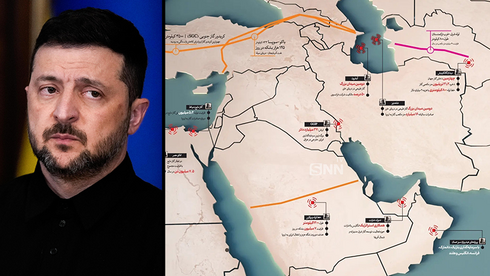

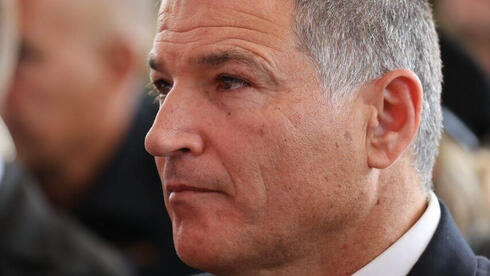
Prime Minister Benjamin Netanyahu and Ukrainian President Volodymyr Zelenskyy held their first meeting in three years this week in Washington, underscoring growing regional tensions following a rare Ukrainian strike against an Iranian vessel. The encounter came after Israeli Foreign Minister Gideon Saar discussed what both nations view as a shared Iranian threat with his Ukrainian counterpart Andrii Sybiha.
The diplomatic urgency stems from Kyiv’s recent attack on an Iranian ship accused of transporting missile components and drones to Russia. In response, Tehran has threatened retaliatory strikes not only against Ukrainian targets but also against European objectives, marking a significant escalation in the indirect conflict between Iran and Western-aligned nations.
Despite the heated rhetoric, diplomatic channels remain open. Ukrainian Foreign Minister Sybiha held separate talks with Iranian Foreign Minister Abbas Araghchi, who demanded compensation for the ship strike whilst insisting that Tehran does not seek further escalation. The carefully calibrated messaging suggests all parties are attempting to prevent the situation spiralling into direct military confrontation, even as Iran publicly maps out potential revenge targets.
The trilateral diplomatic engagement between Israel, Ukraine and international partners reflects broader concerns about Iranian-Russian military coordination and the potential for the conflict to expand beyond Ukraine’s borders. Negotiations continue as negotiators attempt to defuse what could become a dangerous regional flashpoint.
Source: Ynet — Original article in Hebrew.
 © 2026 News In Israel - Israeli News In English. All Rights Reserved.