
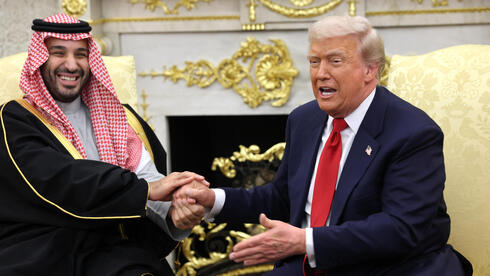

A fierce diplomatic struggle is underway among Gulf states over how to handle Iran, with competing factions vying for influence over the incoming Trump administration. According to the Wall Street Journal, different regional players have been pushing contradictory approaches to the American president-elect, with some advocating for escalation while others push for de-escalation and diplomatic solutions.
Saudi Arabia has emerged as the dominant voice in these negotiations, successfully persuading Trump to take a more cautious approach on Iran policy—a move that has reportedly frustrated the United Arab Emirates, which had been pushing for a more aggressive stance. The shift in American policy direction reflects the kingdom’s significant leverage within the Trump circle and its ability to shape Middle Eastern strategy during the new administration.
The diplomatic maneuvering comes against a backdrop of rising tensions, as Iranian officials have issued stark warnings about the consequences of failed negotiations. A senior Iranian diplomat has cautioned that the Islamic Revolutionary Guards Corps may launch a pre-emptive strike if diplomatic efforts collapse and regional tensions continue to escalate. The warning underscores the precarious state of US-Iran relations and the narrow window remaining for talks before the situation potentially spirals into direct military confrontation.
Source: Ynet — Original article in Hebrew.
 © 2026 News In Israel - Israeli News In English. All Rights Reserved.