
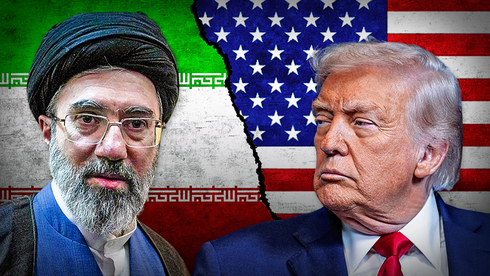

International nuclear inspectors have raised fresh concerns about Iran’s atomic weapons programme, warning that the Islamic Republic appears to be intensifying efforts to develop a nuclear bomb despite sustaining significant damage in last year’s conflict with Israel. According to data from the International Atomic Energy Agency (IAEA), the risk that Iran is actively pursuing nuclear weapons has grown considerably since Operation “True Promise” — Iran’s retaliatory missile strikes against Israel in April 2024.
The most alarming development centres on Iran’s enriched uranium stockpiles, which are no longer subject to rigorous international monitoring. Previously kept under close watch by IAEA inspectors, the material — which can be used as fuel for nuclear weapons — has moved beyond verifiable oversight, presenting a significant proliferation risk. Nuclear experts consider this a troubling escalation in Iran’s atomic programme, particularly given Tehran’s historical non-compliance with international agreements.
The timing of these revelations comes as diplomatic uncertainty looms over future US policy toward Iran. According to reports, incoming US officials may be prepared to accept a short-term ceasefire rather than pursue more comprehensive negotiations on Iran’s nuclear ambitions. Such an approach could allow Tehran to continue developing its weapons capacity without immediate international pressure, potentially shifting the regional balance of power significantly.
The developments underscore the precarious state of international nuclear non-proliferation efforts in the Middle East. Despite the visible damage sustained during last year’s military confrontation, Iran’s nuclear programme appears to be progressing with minimal impediment, raising questions about the effectiveness of existing diplomatic and sanctions regimes in halting weapons development.
Source: Ynet — Original article in Hebrew.



 © 2026 News In Israel - Israeli News In English. All Rights Reserved.