
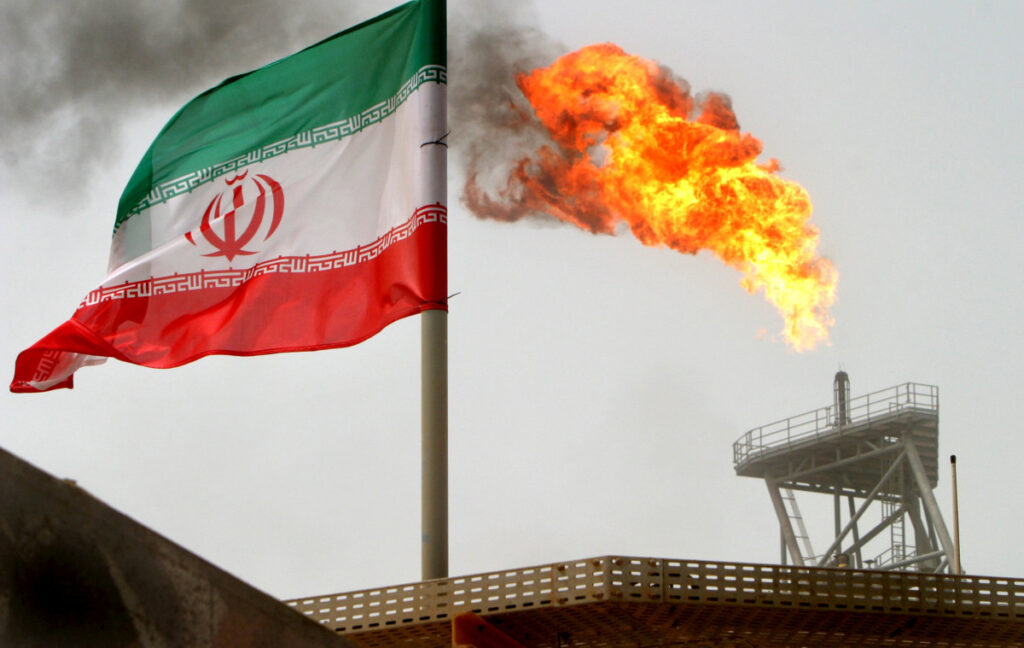

Iran’s National Oil Company is facing a financial crisis of staggering proportions, with debts reaching approximately $82 billion—more than double the country’s entire public budget. The accumulating losses represent a critical vulnerability for an economy heavily dependent on oil revenues and struggling under the weight of international economic sanctions.
Despite widespread expectations that Western sanctions would cripple Iran’s crude exports, the country has managed to continue selling oil through sophisticated evasion tactics and black market networks. However, this costly workaround has backfired spectacularly, deepening the oil company’s financial hole rather than solving it. The expenses associated with bypassing sanctions—including discounted prices, complex transshipment operations, and hidden transactions—have far outweighed any short-term revenue gains.
The mounting debt crisis is being passed directly to ordinary Iranians through soaring inflation and economic deterioration. With the National Oil Company unable to meet its obligations or invest in infrastructure maintenance and upgrades, Iran’s energy sector faces long-term deterioration. The situation reflects a broader pattern in which international pressure, combined with government mismanagement and corruption, is hollowing out Iran’s most vital economic asset from within.
Analysts warn that without significant reforms or changes in Iran’s international standing, the oil company’s financial collapse could trigger broader economic instability across the nation. The debt burden leaves little room for investment in new extraction projects or technological improvements needed to maintain production levels as existing oil fields age.
Source: Maariv — Original article in Hebrew.

