
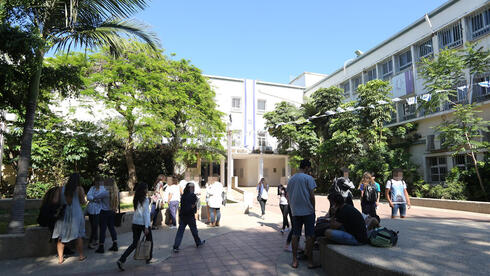

Researchers from Bar-Ilan University have exposed stark inequalities in Israeli education, revealing how funding disparities between local authorities create a two-tier system. Wealthier municipalities can afford enriched curricula and innovative educational programmes, whilst economically disadvantaged areas focus on meeting fundamental needs such as ensuring children have adequate food and basic resources.The study highlights a troubling reality: whilst some Israeli schoolchildren benefit from diverse learning opportunities and specialised programmes, others in poorer localities attend schools where administrators must prioritise keeping pupils fed over educational excellence. This funding gap directly reflects the budgetary decisions made by local authorities, with wealthier councils allocating substantially more resources to education than their counterparts in weaker areas.The researchers argue that these disparities perpetuate existing social and economic inequalities, with children’s educational opportunities determined largely by their postcode rather than ability or ambition. To address this growing divide, the Bar-Ilan academics propose implementing caps on municipal spending, preventing wealthy authorities from widening the gap through increased budget allocations to schools.
Source: Ynet — Original article in Hebrew.





 © 2026 News In Israel - Israeli News In English. All Rights Reserved.