
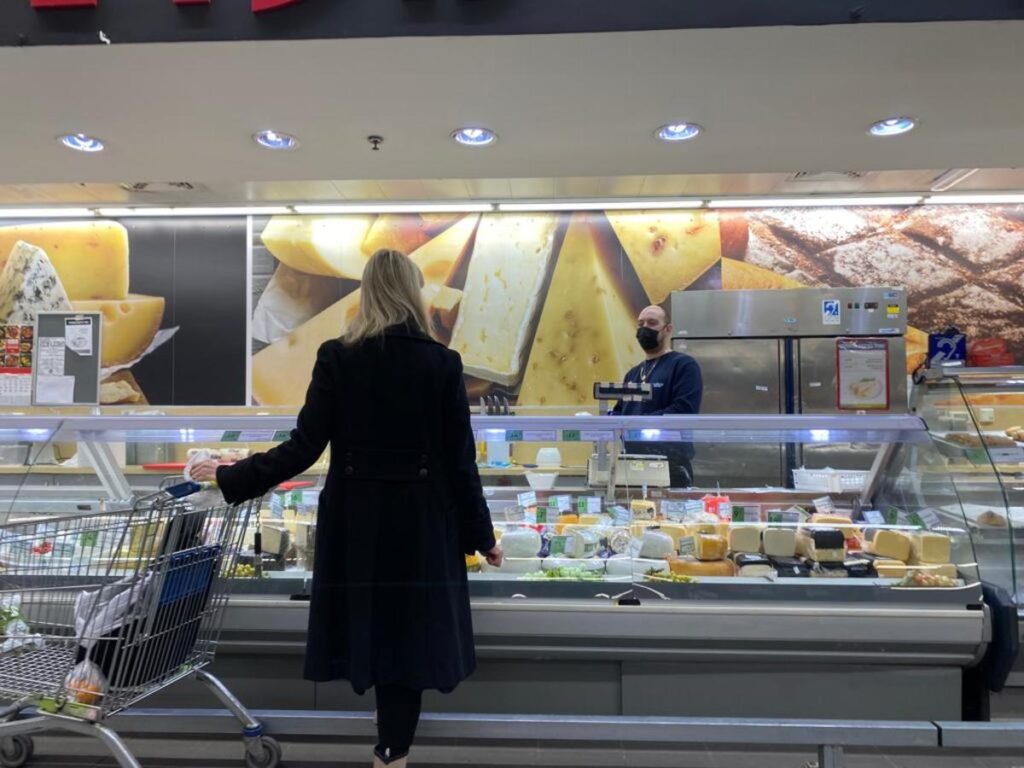

Israel’s persistently high cost of living is not the result of shadowy conspiracies or secret cartels, but rather a well-documented system of regulation, market barriers, and entrenched interest groups that collectively maintain expensive prices across the economy. From supermarkets and banking to automobiles and housing, this “economic deep state” operates through formal regulatory mechanisms that protect incumbent businesses whilst shifting costs onto ordinary citizens.
According to Professor Moshe Cohen-Eliya’s analysis, the system functions through overlapping layers of protectionist policies and structural barriers to market entry. These mechanisms prevent genuine competition that might otherwise drive down consumer prices. Rather than operating in the shadows, this arrangement is largely visible within Israel’s institutional framework, yet remains difficult to challenge or reform due to the political influence wielded by established economic interests.
The impact is tangible across multiple sectors of the Israeli economy. Supermarket chains maintain high profit margins through a combination of regulatory advantages and limited competition. The banking sector operates under conditions that discourage new entrants and innovation. The automotive market is protected by import restrictions and high taxation, whilst the housing sector faces regulatory constraints that artificially restrict supply and inflate prices. Each sector tells a similar story: structural protections benefit established players whilst consumers pay the price.
This arrangement raises fundamental questions about economic fairness and regulatory reform in Israel. The persistence of high prices despite Israel’s relative wealth suggests that the problem is not scarcity but rather the political economy of regulation itself. Breaking these patterns would require challenging powerful institutional interests and fundamentally restructuring how the Israeli economy manages competition and consumer protection.
Source: Maariv — Original article in Hebrew.

