
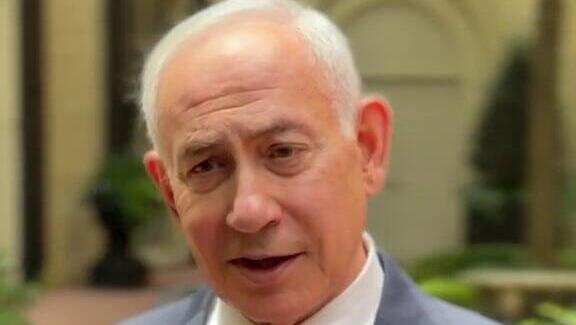

Prime Minister Benjamin Netanyahu appears to be recycling campaign pledges from previous election cycles, rebranding familiar commitments as fresh policy initiatives. A review of his current election promises reveals striking similarities to pledges made during earlier campaigns, albeit sometimes presented under different framing or with adjusted timelines.
Among the promises being promoted are a high-speed railway to Kiryat Shmona in the north, free education legislation for children aged zero to three, a mortgage freeze law, sovereignty over the Jordan Valley, and the demolition of the Palestinian village of Khan al-Ahmar. However, perhaps most notably, many of these commitments echo pledges Netanyahu made during the 2009 elections, when he vowed with considerable passion to bring down the Hamas government in Gaza.
The repackaging of previous electoral commitments raises questions about delivery rates on earlier promises and whether voters are being presented with genuinely new policy proposals or familiar undertakings repositioned for the current campaign cycle. Political analysts often note that election promises requiring significant resources or parliamentary consensus frequently face implementation delays or modifications once parties take office.
The pattern reflects broader challenges in Israeli politics, where coalition governments and budget constraints frequently limit the implementation of campaign pledges, regardless of political affiliation.
Related: Likud coalition politics
Source: Ynet — Original article in Hebrew.
 © 2026 News In Israel - Israeli News In English. All Rights Reserved.