Summer is hot, and we often spend time at the sea. It is assumed that when you say "sea" the first associations are water, sand, bathing suit, matkas, diving, fish and maybe also popsicles and watermelon.
Ignore its smell: five amazing health benefits of garlic
From Elon Musk to Kim Kardashian: the weight loss drug that drives the celebs and the whole world crazy
Foods that originate from the sea are sometimes seen as expensive, even luxurious food, but the sea has a long history in different cultures as a basic food supplier. Its products have culinary traditions of simple dishes, based on fish, seafood or seaweed, which are consumed daily in regions such as Scandinavia, Japan, China, Puerto Rico, Scotland, Wales, Iceland and more.
It is not surprising that food producers, fishermen, chefs, nutritionists, as well as those who promote a sustainable diet – which is good for people and the environment – are enthusiastic about marine products, especially when it comes to seaweed, also known as "sea vegetables". There are thousands of types of algae, but only a few dozen of them are good for food. The most common types of seaweed are wakame and kombu.
Sustainable nutrition
Animal and plant resources in the oceans are dwindling as a result of fishing and hunting and as a result of changes in environmental conditions. At the same time, the demand is increasing due to the increase in the population on earth.
Terrestrial food from animals, such as beef and chicken, requires the use of fuels, pesticides or fertilizers (crops for animal feed). This use increases the carbon emission rate and utilizes large land resources. The yield of the sea, on the other hand, can be a quality alternative source for proteins from animals on land.
To illustrate, algae of their own kind can absorb about 173 million tons of carbon each year, about as much as the annual emissions of New York State. They provide support to the marine ecosystem, essentially contributing to the expansion of fish habitat, marine biodiversity and ocean restoration.
Nutritional richness
We got to know the taste of seaweed mainly when it is rolled with rice and various toppings in the popular Asian dish in Israel – sushi. But since the integration of sushi in the local cuisine until today, quite a few seaweeds have passed through the sea and also in artificial breeding ponds that were established with the aim of reaching other destinations, beyond the familiar sushi. The algae can also be purchased as seasoning cubes, nutritional supplements and snacks. They are combined in soups, salads and various dishes.
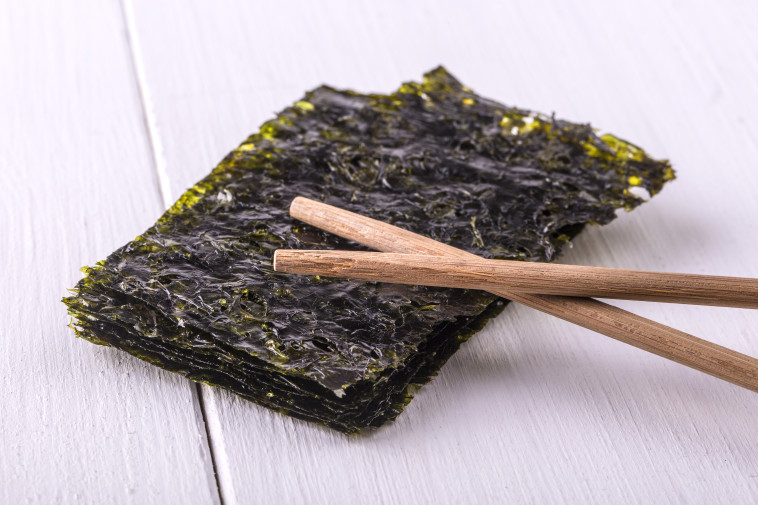 Algae (Photo: Eng Image)
Is seaweed a superfood? Seaweed has a high nutritional density, meaning a wealth of nutrients in relation to the caloric contribution: protein, dietary fiber and minerals including iodine, magnesium and calcium. It must be remembered that the more difficult the food is to obtain due to limited quantity or geographical location – the higher its price and the easier it is for marketers to brand and sell it as "superfood".
But it must be remembered that it is very trendy to label foods with an abundance of important nutrients as "superfoods" or "superfoods". In fact there is no such thing as a "superfood", since all types of vegetables, fruits, legumes, whole grains and other foods are important. The diversity of all together is much more valuable than that which exists in a single and special vegetable or fruit, with or without quotation marks.
source of minerals
Israel is very developed in water technologies. One of them is the desalination technology, which makes seawater suitable for drinking and agriculture. This is a welcome process and an asset to the State of Israel, but the nutritional disadvantage of the desalination process is the "too efficient" filtering of the systems that – apart from dirt – also remove essential minerals, such as iodine and fluorine. The human body does not produce minerals, and they must be supplied in food. The source of minerals is in the earth: the plants extract the minerals from the ground, and we consume them directly from the plants and water and indirectly from the animals.
One of the main minerals in seaweed is iodine. Other sources of iodine are seafood – fish and seafood, as well as dairy products, eggs and iodine-enriched salt.
Iodine affects the function of the thyroid gland, which is essential for metabolism, for maintaining a normal growth rate and for cognitive development. During pregnancy, iodine is essential for the normal development of the fetus. Iodine deficiency can cause fatigue, weight gain, dry skin and constipation. Studies in Israel and around the world show that iodine deficiency is common among the population.
Algae are also a good source of another important mineral – magnesium. A lack of magnesium in drinking water over time as a result of water desalination may cause a decrease in the amount of magnesium in the body, and as a result an increase in morbidity – an increase in the risk of cardiovascular diseases and even death. Studies done in Israel found a connection between populations in certain areas, the quality of the water in these areas (the amount of minerals) and the number of people suffering from cardiovascular diseases.
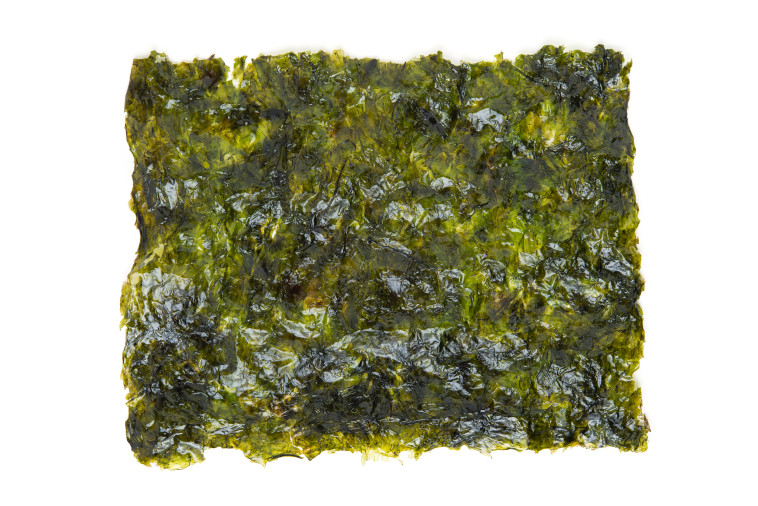 Algae (Photo: Eng Image)
About half of the magnesium in the body is found in the skeleton and helps with bone strength. The rest of the magnesium is found in cells in soft tissues such as muscles, kidney, liver and the intercellular fluid. In these cells, it participates in approximately 300 different processes, and in a variety of systems such as the muscles, where calcium contracts them and magnesium relaxes them, the nervous system and the immune system. In addition, magnesium participates in energy production processes, thyroid gland activity, blood sugar level maintenance and insulin secretion.
Why pay attention?
As mentioned, seaweed is rich in additional minerals such as iron, calcium and sodium. Great attention is required for the consumption of another mineral – sodium (salt). Excess consumption increases the risk of hypertension, cardiovascular disease and stroke. It is recommended to read the food labels on the various food products, including what is written on the seaweed packaging. Prefer those with less sodium.
You should reduce the amount of sodium by washing the seaweed with water before adding it to your meal, and in any case when there is added seaweed, there is no need to add salt.