
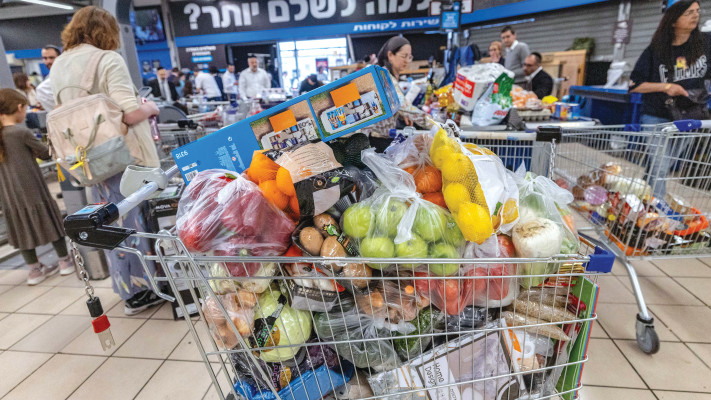


Since many like me are fighting missiles with missiles, this is a good time to recommend that the investment seekers among you enter as partners in a gym or a dietician's clinic: no matter how long it takes with the Iranians and how it ends, what is certain is that an entire nation will emerge from the protected areas heavier than it entered them, precisely at this time of year when swimsuits are aired.
Memories of Corona
At least on an economic level, the war is doing our pockets good, assuming we are not self-employed. How? Well, the salary remains the same, but the spending has decreased: there are no classes for children, no flights abroad, no cinema, theater and football – and the restaurants, even if they are open, are barely filled: go enjoy a meal now when at any moment you could be whisked away to the protected space.
It may not be as closed as during the Corona period (which did a lot of bad things, but improved the economic situation of households, who were reluctantly saving), but it's also not the time to celebrate by shopping, unless it's chips and Magnum bars in caramel and pistachio flavors, as in my case.
From here everything started to go wrong, because if we had to learn anything from six years, most of which we spent in Corona lockdowns and wars, it's that the Israeli economy needs a flexible return-to-work model. Something that will leave discretion to employers and employees.
But in Israel, where citizens are treated as subjects, most of us were ordered back to work last Thursday at noon. All this, of course, while our children were at home. The feeling was that someone was in too much of a hurry, mainly to avoid compensation.
Dangerous livelihood
At the employee level, a conflict arose between jeopardizing the job (if they don't return to work at a place that has resumed operations) and endangering the children (for example, with grandparents who take longer to respond to Home Front Command alerts). Exactly.

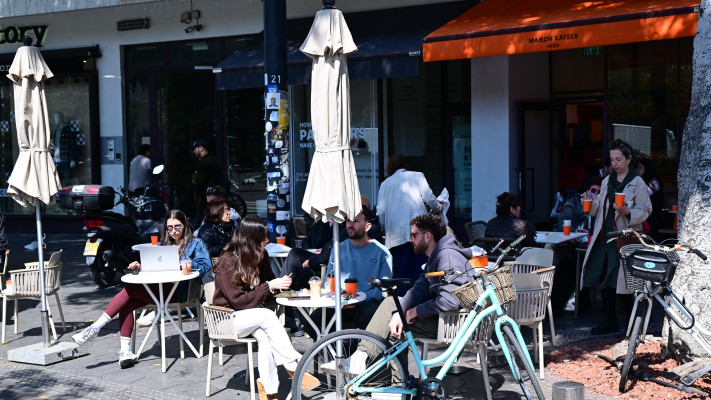
Among the self-employed, they didn't know whether to laugh or cry: If you're allowed to open a business – for example, a clothing store in a mall – it means that no one is going to pay you compensation. On the other hand, the fact that the store door is open doesn't mean sales. I saw with my own eyes stores empty of shoppers in Tel Aviv: Go get yourself a new outfit when an alarm might go off right when you're in your underwear, in the fitting room.
Moreover, the state, which has found protection solutions for only two-thirds of Israeli citizens (a third of the country's residents are not protected in a nearby shelter or a fire station, a real scandal!), has not found a satisfactory solution for road users. Just look at what happens during alarms (according to the television cameras of the various channels): some people stop on the side of the road and move away from the vehicle, some people continue to drive as usual (including buses), and in any case, neither of them is protected.
In other words, here too a flexible framework was required that would leave the citizen with a choice: go on unpaid leave and stay in the company (and even though the acronym "unpaid leave" stands for "leave without pay," you will receive 70% of your salary from the State of Israel), or go to work. The same applies to the self-employed: if you own a cafe that can make money even in wartime, go for it. If you have a store that is practically closed even when it is open, we will make sure to compensate you.
Why? Because the gradual return to normalcy was based on the assumption that there would be a gradual reduction in the missile threat and the rate of launches – an assumption that has been proven false. So far, this has not happened – launches have increased in direct proportion to the (false?) announcements in the Israeli media about the widespread destruction of the launchers.
Responsible economic leadership would say something like "Wait a minute, we're thinking" and delay the opening of the economy. What's the problem? In an era when they're trying to market to us what is a near-draw as a great victory, such an act would be interpreted as an admission of failure. If not a failure of the campaign, then at least an admission of a mistake – the last thing a politician is willing to do.
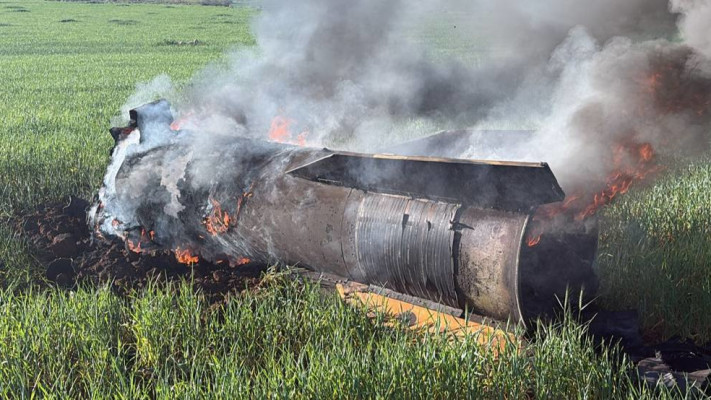
Thus it happened that despite the fact that people were injured by interceptor fragments and cluster bomb fragments simply because they were outside working, we learned that the politician who could say the words: "Sorry, I was wrong" and add: "Anyone who doesn't want to, not just because they're a parent of small children, doesn't have to go back to work. Let them go on unpaid leave and receive money from the state."
What did we get from the Minister of Finance? A partial emergency plan (for one parent, for small children only). This is how it is in a country where the army can peek into the bedrooms of enemy leaders thousands of kilometers away, but its Ministry of Finance doesn't even see the citizens.



 © 2026 News In Israel - Israeli News In English. All Rights Reserved.