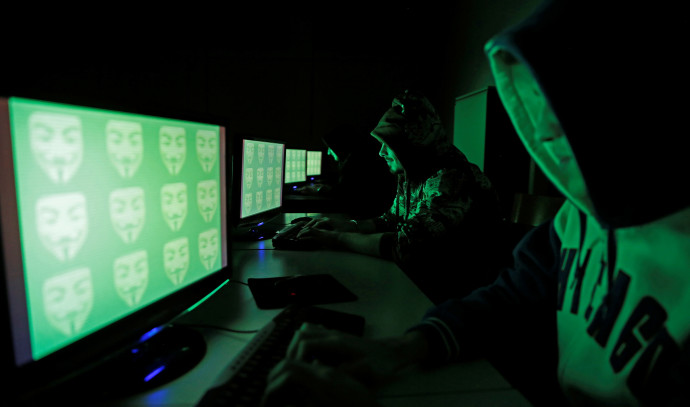

The Authority for the Protection of Privacy issued a statement last week stating that there is concern that sensitive medical information was leaked following the cyber attack on Ma'aini Hashuah Hospital .
Ransomware and remote access: new details from the cyber attack on the sources of salvation
Cyber attacks on hospitals are not destiny Gil Messing
Check Point's head of staff, Gil Messing , spoke today (Friday) with Gideon Oko on 103FM and told about the hospital's situation: "At the operational level, the hospital returned relatively quickly to regular functioning, almost as it was before, not 100 percent. They managed to come And give back. In terms of everything that was attacked, there this event is far from over, and this is what happens in ransomware attacks. The attackers get to these systems, get a lot of information, demand money, and if not threaten the release of this information. We are more or less in the middle of this thing ".
"There is a lot of sensitivity here in general regarding this type of event, and specifically because it is very personal information. Let's say that the Minister of Health, on his own initiative and under such a message that he would not give in to ransom demands, said that 'I am what I have – I take out'. Very personal details about my state of health And the problems he had, and he did it on his own initiative. Imagine what happens to quite a few people, many, many people who are treated in a certain place, and their information is medically confidential and is released outside and not on their initiative. It can be very dangerous. When a hospital is attacked by cyber attacks, then the first thing What is very stressful is the ability to provide an ongoing medical response. It can really be life and death, fortunately we are not there. But the other aspect is what happens afterwards with the information. How it will end, we are still far from finishing it. But what the Minister of Health did on his initiative, It's a very, very unpleasant event and it can happen," he added.
At the end, he explained that in hospitals in most cases in the world, even here in Israel, the attackers attack in order to get money. "They are looking for targets that the targets will want to pay the money. Hospitals are one of the most attacked sectors in the world, and what they go to because it is relatively easier to attack. These systems are systems that have a lot of connections, when it is more complex in terms of layers, it is easier to attack. More importantly From this, the information is of great value. Unfortunately, many hospitals in the world say to themselves, 'We will pay the attackers,' and what this does is make these attackers succeed."
"They continue, and when they continue, they look for more hospitals all over the world, look for ways to attack them through their various uses, arrive at very high value information, call it quality goals, and unfortunately many hospitals want to pay. That, and there's really a risk that a lot of personal details will be leaked. When personal details about a person are leaked, those details are in the hands of all the other attack groups, and that gives the basis for the next attack on the exact same people. They know our name, where we live, personal details Ours with the aim of making it seem more real. Then we tend to believe it. Their ability to reach all these details is precisely because they leaked in previous attacks. This is something that is important to come and understand."