
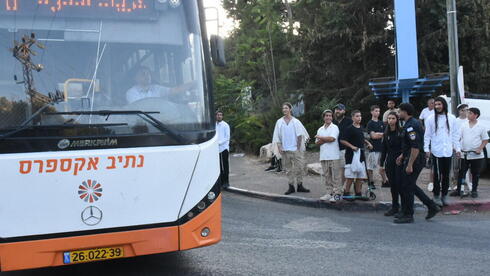

Safed has become a flashpoint in Israel’s ongoing cultural and religious tensions, with two months of escalating confrontations between ultra-Orthodox and secular residents over public transport operations on the Sabbath. Ultra-Orthodox groups have been blocking buses operating within the city, whilst secular residents have responded with counter-demonstrations. The standoff has overwhelmed local police and proven beyond the capacity of the city’s mayor to resolve through conventional means.
The dispute reflects a broader struggle over the character of Safed, a predominantly Jewish city in northern Israel with a significant ultra-Orthodox population. Those who identify as secular residents claim that the city is becoming increasingly religiously restrictive, with ultra-Orthodox groups imposing strict observance of Jewish law—including the prohibition of public transport on the Sabbath—on the entire community.
With negotiations stalled, secular opponents of what they describe as the city’s growing “haredisation” have now escalated their strategy. Their message to the ultra-Orthodox community is blunt: interference with their freedom of movement will be met with direct counter-action. This tit-for-tat approach suggests the conflict is entering a more confrontational phase, moving beyond traditional protest into potential disruption of ultra-Orthodox life in the city.
The standoff highlights the persistent tension in Israeli society between religious and secular populations over questions of public life, particularly regarding Sabbath observance and the role of religious law in civic matters. Safed’s struggle mirrors similar disputes in other Israeli cities where significant populations hold competing visions for community life and values.
Source: Ynet — Original article in Hebrew.

 © 2026 News In Israel - Israeli News In English. All Rights Reserved.