
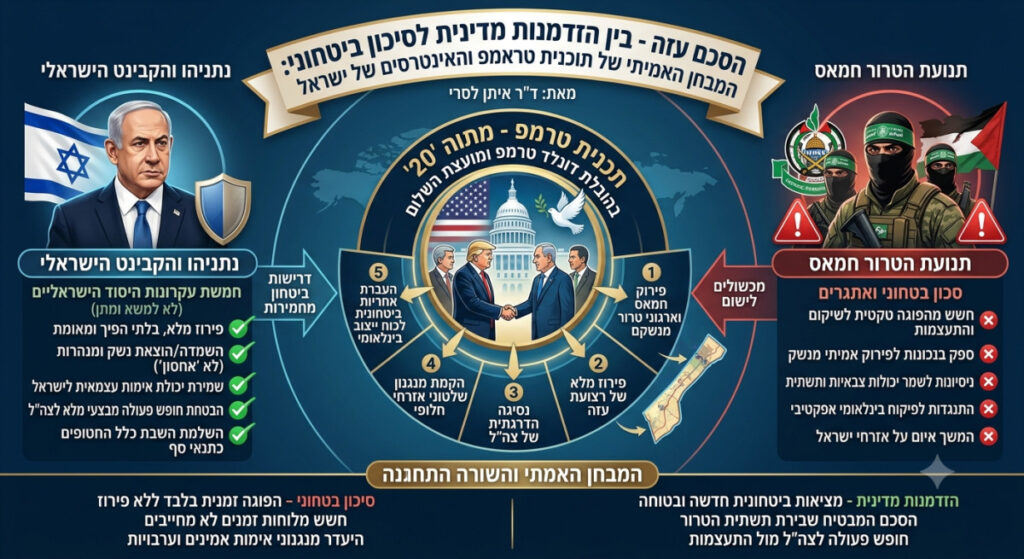

Emerging details of the developing ceasefire agreement have revealed potential loopholes that could allow Hamas to retain significant military capabilities, raising serious questions about the viability of any lasting peace settlement. As negotiations progress to the next phase, analysts are scrutinising the specific provisions governing weapons accountability and international oversight mechanisms that will be essential to enforce any deal.
A critical concern centres on how international monitoring bodies would verify Hamas’s disarmament commitments. The proposed framework appears to contain ambiguities about weapons inspections and enforcement procedures that could enable the militant group to maintain hidden arsenals while appearing compliant with agreement terms. Without robust verification protocols, a ceasefire could simply create a temporary pause before hostilities resume.
The central challenge lies in reconciling competing demands: Israel’s security requirements demand meaningful disarmament guarantees, whilst international mediators seek achievable terms that all parties might accept. The current draft framework appears to prioritise reaching agreement over enforcing substantive military restrictions, creating what experts warn could be a dangerous illusion of peace rather than genuine resolution.
Key obstacles remain unresolved, including how violations would be addressed, what consequences would follow non-compliance, and whether third-party monitors would have sufficient authority and resources to conduct meaningful inspections. Without addressing these fundamental gaps, any ceasefire risks becoming merely the prelude to the next cycle of conflict.
Source: Maariv — Original article in Hebrew.



 © 2026 News In Israel - Israeli News In English. All Rights Reserved.