
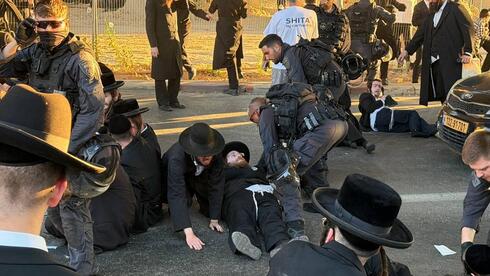

In 1977, before any formal government training programmes or national initiatives to integrate ultra-Orthodox workers into the labour market, approximately 85 per cent of men in the Haredi community were employed. This remarkably high figure stands in stark contrast to the employment crisis facing the ultra-Orthodox sector today, raising serious questions about what has fundamentally changed in nearly five decades. The statistic challenges common assumptions about the historical work patterns within Israel’s religious communities and suggests that the notion of widespread dependency on state benefits is a relatively modern phenomenon rather than an ancient religious tradition. The dramatic shift from near-universal male employment to significantly lower participation rates represents one of the most significant demographic and economic transformations in Israeli society, yet remains relatively underexamined in public discourse. As policymakers grapple with the ongoing challenge of integrating Haredi workers into the broader economy—despite decades of government programmes and investment—the baseline data from 1977 serves as a sobering reminder of how much ground has been lost. Understanding what caused this reversal, from a thriving work culture to one increasingly dependent on state support and charitable institutions, is crucial for developing effective solutions to what has become one of Israel’s most pressing social and economic challenges.
Source: Ynet — Original article in Hebrew.


 © 2026 News In Israel - Israeli News In English. All Rights Reserved.