
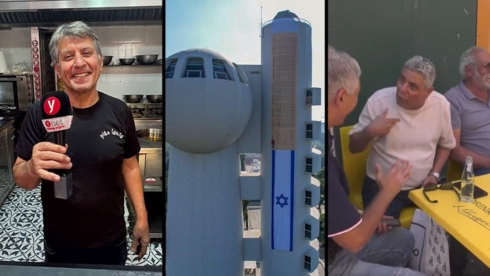

In the search for a microcosm of Israeli society, one neighbourhood stands out as a reliable barometer of national voting patterns. Rahovot, a city south of Tel Aviv, has emerged as a predictor of election results, with its central district producing voting patterns that mirror those of the nation as a whole. The findings suggest that certain Israeli neighbourhoods function as ‘mini-Israels’, reflecting the broader political preferences of the country with striking accuracy.
According to data analysis by the Madlan property company, researchers identified which neighbourhoods in the 2022 elections voted in a way that most closely resembled the national result. In Rahovot’s city centre, voters demonstrate a cross-section of Israeli political opinion. One 79-year-old resident, Avishi, declares his support for Benjamin Netanyahu and expresses satisfaction with the state of the country, yet conversations in the local coffee shop parliament reveal more diverse political perspectives than such statements suggest.
These ‘representative neighbourhoods’ offer political analysts and pollsters a window into the nation’s voting behaviour without needing to survey the entire population. By monitoring how these areas vote, researchers can gain insights into broader national trends and potential election outcomes. The identification of such neighbourhoods helps explain why certain communities consistently reflect the balance of power and ideological divisions present across Israeli society.
Related: Netanyahu's political influence
Source: Ynet — Original article in Hebrew.



 © 2026 News In Israel - Israeli News In English. All Rights Reserved.