
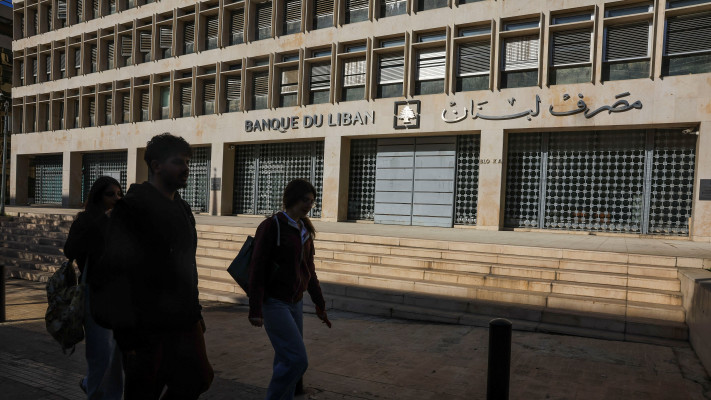

Khasli added that while the situation is complex, there is no reason for a food shortage. He said that even if there is a price increase, it is expected to remain relatively limited – between one and two percent only. The impact of the gasoline tax, he claims, is also not expected to lead to a price increase of more than 1%-2%.
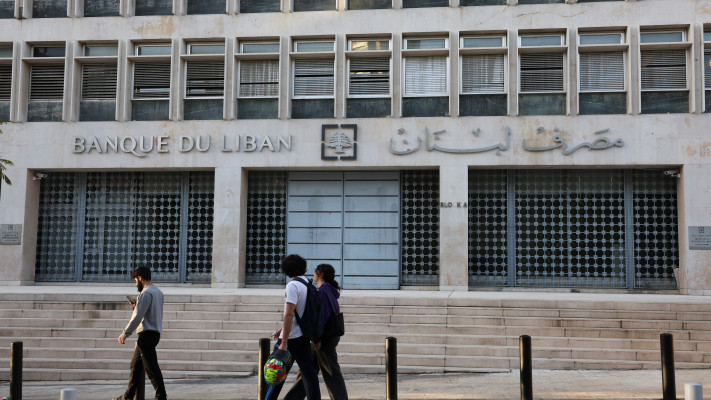
Abu Haider noted that the Ministry of Economy is monitoring household needs, the fuel supply chain, as well as wholesale prices and food prices in restaurants and stores. He said that despite the difficulties – including workers who were forced to leave their homes due to the security situation – the ministry continues to conduct audits and submit reports on violations. He also called on the public to file complaints about price increases through the ministry's official website.
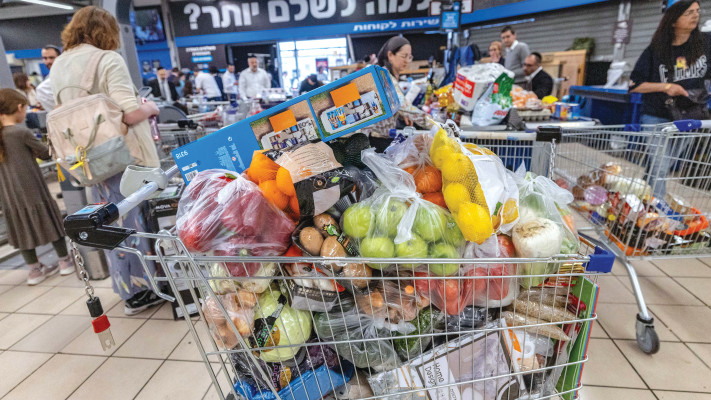
However, the article claims that the reality on the ground sometimes differs from official statements. According to the author, Lebanese citizens are already experiencing sharp price increases for basic goods, including gas, gasoline, vegetables, fruits, and oils – even before the government has managed to implement effective measures to combat the cost of living.
In conclusion, the author noted that the issue of rising prices has become a major concern for Lebanese citizens, with many of them feeling that rising costs are increasingly burdening households, while the war and security situation continue to affect the local economy.




 © 2026 News In Israel - Israeli News In English. All Rights Reserved.