
While a large number of Israelis plan their summer vacation in the cool European countries, many are looking for the next destination in East Asian and South American countries. Admittedly, not all of these countries enjoy a stable economy, and the organization required for a trip to Europe is fundamentally different from the organization required for a trip to Brazil or Argentina.
Without breaking the bank: the complete guide to public transport in Europe
A river, a surfing simulator and giant slides: the largest indoor water park in the world has opened
In a large part of these countries, the economy hardly makes it possible to rely on the local currency and requires a different approach and other precautions. To this end, we spoke with two experts in the field who will shed light on the subject.
"The way travelers travel today has evolved, we've gone from cash to a smart card on the phone," explains Moshe Kimchi, CEO and founder of the Neema app for exchanging money abroad, "recommends that travelers always have cash, around $200 in their pocket that's there. It doesn't matter if They will convert the money into local currency, but this is a response to immediate needs that are happening in the field."
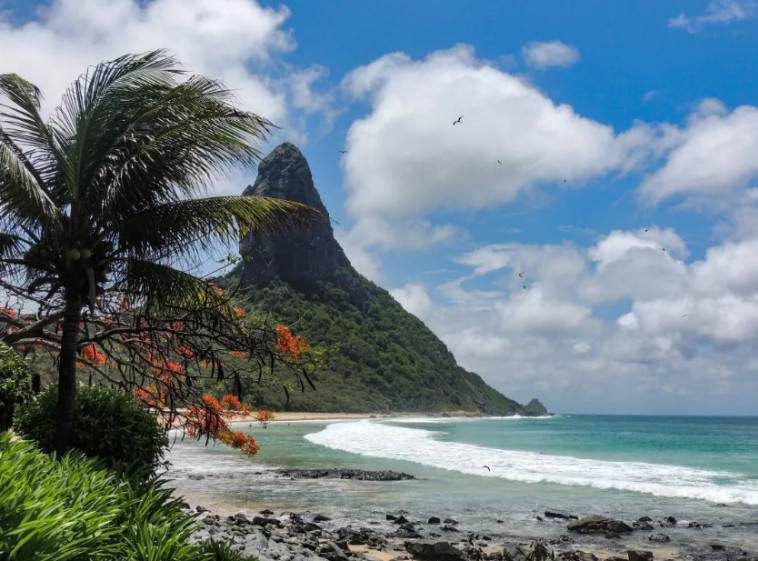
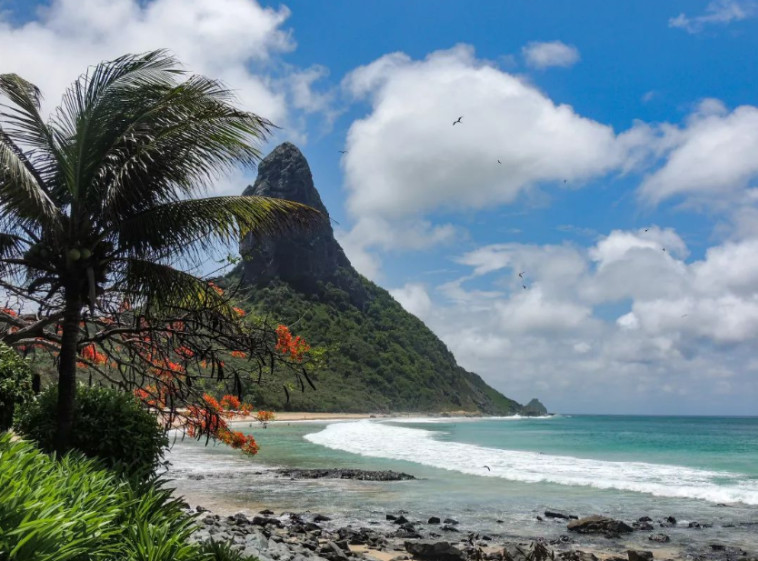 Baía do Sancho – Fernando de Noronha, Brazil (Photo: Instagram screenshot)
"One of the things we developed is an application that is separate from the account and the money there is available 24/7," he added, "usually it is desirable to have a large amount there. One of the essential things is to transfer money from the wallet to the application easily. The application is based on a bypass infrastructure for transferring money. You can put money in the application In any possible way, and in any store/exchange where money can be withdrawn, you can connect to the place and withdraw the money from them."
Kimchi then said that "in economically developed countries you can use a credit card almost without fear, but in countries with less common currencies it is advisable to be careful about using credit due to fees that reach up to eight percent for converting from dollars to the local currency. Using an app or cash will prevent this. One of the biggest tips It's traveling with a traveler's wallet, which only has ID and credit cards that can be easily blocked. Do not travel with an Israeli wallet except for a small amount."
 Taiwan (Photo: EngImage)
On the other hand, Yehuda Zafarani, an international tourism expert at the "Hot" consumer club, explains in a conversation with "Maariv" why the issue of insurance abroad has become particularly significant. "About 15% of Israelis do not take out insurance abroad. In undeveloped countries it is very important Insurance due to the shaky medical infrastructures of those countries," Zafarni noted.
"Undeveloped countries are countries to which you don't travel spontaneously," he clarified, "Economic preparation for them is more critical. Every trip is a more expensive trip due, among other things, to the length of the trip and the plane tickets. The recommendation is always for these countries to be more planned. The whole issue of credit is something which is very popular in the world and is also found in underdeveloped countries. In general, the less cash you have on you, the better anywhere in the world."