
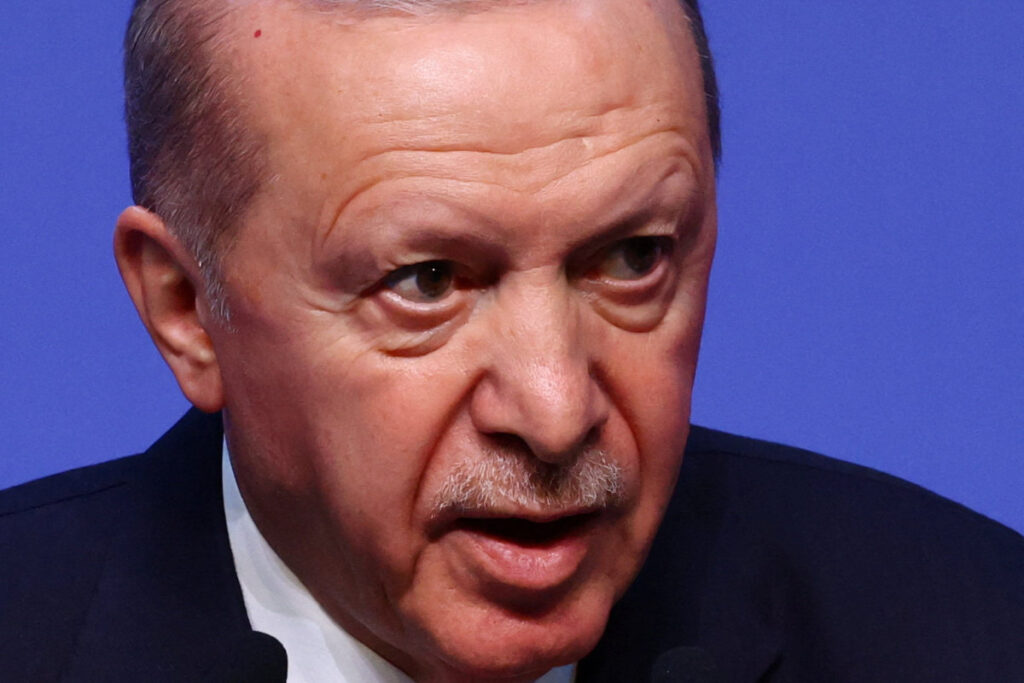

Turkey faces a significant strategic dilemma as it grapples with crucial decisions about acquiring sixth-generation fighter aircraft, a choice that will shape the country’s military capabilities and geopolitical alignment for decades to come. The question of which fighter jet programme to pursue — whether to continue developing its domestically-designed TF-X fighter jet or pivot towards partnerships with other nations — represents one of the most consequential defence procurement decisions Ankara has faced in recent years. Turkish President Recep Tayyip Erdoğan’s government must weigh the benefits of indigenous technological development against the practical advantages of joining established international defence partnerships. This decision will have far-reaching implications not only for Turkey’s military modernisation but also for its relationships with key allies and rivals in the region and beyond. The choice reflects broader tensions within Turkish defence policy between the pursuit of strategic autonomy through domestic innovation and the pragmatic necessity of international collaboration in an increasingly complex security environment.
Source: Maariv — Original article in Hebrew.

 © 2026 News In Israel - Israeli News In English. All Rights Reserved.