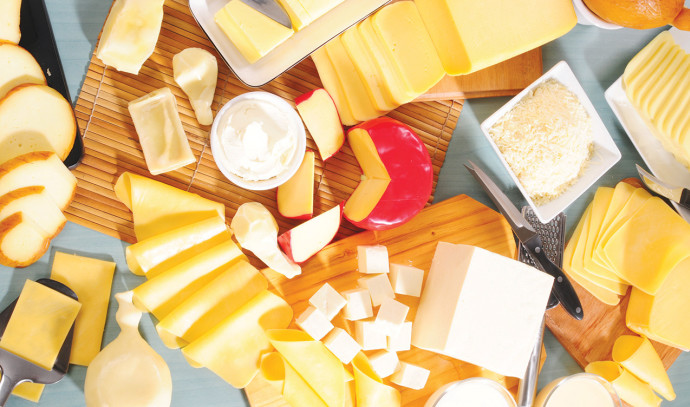

Cheese is an excellent source of protein and calcium, and is made by adding acid and bacteria to milk. Eating cheese generally helps prevent heart disease, but some types of cheese are more nutritious than others. So what are the best types of cheese?
Mozzarella
This cheese is usually made from Italian buffalo or cow's milk. Mozzarella cheese contains a low percentage of sodium and calories compared to most other types of cheese. One serving (28 grams) of mozzarella cheese contains 85 calories, 6 grams of protein, 6 grams of fat, 1 gram of carbohydrates, 11% of the daily requirement for calcium and 6% of the daily requirement for sodium. Mozzarella also contains beneficial bacteria (probiotics) that improve intestinal health, boost the immune system and reduce the chance of inflammation in the body.
blue cheese
Blue cheese is made from cow's, goat's or sheep's milk that has been treated with mold. Blue cheese is very nutritious and a good source of calcium. One serving (28 grams) of blue cheese contains 100 calories, 6 grams of protein, 8 grams of fat, 1 gram of carbohydrate, 14% of the daily requirement for sodium and 12% of the daily requirement for calcium. Adding blue cheese to the diet contributes to promoting bone health and reducing osteoporosis (calcium leakage) due to its richness in calcium.
Cottage cheese'
This cheese, made from cow's milk cheese, contains a higher percentage of protein than other types of cheese. A serving (1/2 cup, 110 grams) of cottage cheese contains: 90 calories, 12 grams of protein, 3 grams of fat, 5 grams of carbohydrates, 15% of the daily requirement for sodium and 9% of the daily requirement for calcium. Many times it is recommended to eat cottage cheese for weight loss due to its richness in protein and low calories.
ricotta
Italian cheese made from cow's, goat's or sheep's milk has a creamy texture rich in protein and is described as a lighter version of cottage cheese. Half a cup of ricotta cheese (124 grams) contains 186 calories, 9 grams of protein, 13 grams of fat, 9 grams of carbohydrates, 6% of the daily requirement for sodium and 20% of the daily requirement for calcium. The protein in ricotta cheese consists of whey, which contains all the essential amino acids that the body cannot produce, and whey encourages muscle growth and helps lower blood pressure and reduce high cholesterol levels.
Parmesan
Parmesan is a hard, aged cheese with a salty taste, and it is loaded with nutrients. A serving (28 grams) of Parmesan cheese provides: 111 calories, 10 grams of protein, 7 grams of fat, 1 gram of carbohydrate, 15% of the daily sodium requirement and 26% of the daily calcium requirement. Parmesan cheese is also very low in lactose, so most people with lactose intolerance can tolerate it.
Cheddar
Cheddar is a semi-hard cheese made from cow's milk that has been aged for several months. A serving (28 grams) of cheddar cheese contains 115 calories, 7 grams of protein, 9 grams of fat, 1 gram of carbohydrates, 8% of the daily requirement for sodium, and 15% of the daily requirement for calcium intake. Cheddar is also a good source of vitamin K, a nutrient that prevents calcium from building up in the arteries and veins, which reduces the risk of heart disease.