
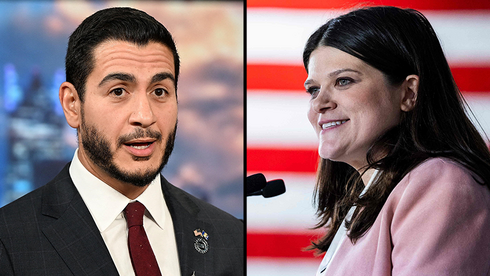

As progressive Democrats celebrate tactical victories in the 2026 US primary elections, a stark warning emerges from America’s urban heartlands. Voter behaviour in key cities like Detroit and St Louis demonstrates a crucial lesson: urban electorates will ultimately reject political extremism, regardless of which side of the political spectrum it occupies.
The results reveal a pattern that should resonate with Israeli political observers. Despite passionate grassroots movements and well-organised activist networks, mainstream American voters in major metropolitan areas have shown they prioritise moderation and pragmatism over ideological purity. This suggests that even in polarised times, there remains a substantial constituency that values stability and centrism.
For Israel, the implications are significant. The American example illustrates that extreme positions—whether on the left or right—face structural limits in electoral politics. While smaller, more ideologically cohesive blocs can influence party platforms and mobilise supporters, the broader voting public tends to gravitate towards candidates and parties perceived as governing responsibly for the whole population, not narrow interest groups.
The 2026 US primaries thus offer a cautionary tale: political viability ultimately depends on appealing beyond your base. Israeli political parties, particularly those at the ideological margins, would be wise to study how even well-funded and enthusiastically supported extremist movements can fail to capture majority support when urban voters—traditionally the most politically engaged—cast their ballots.
Source: Ynet — Original article in Hebrew.





 © 2026 News In Israel - Israeli News In English. All Rights Reserved.