
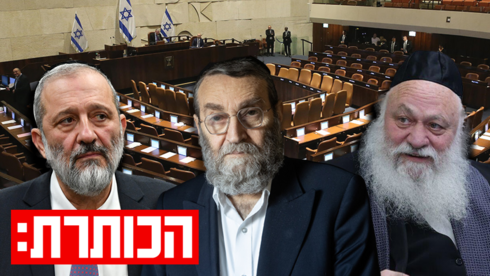

Israel’s governing coalition is advancing two pieces of legislation aimed at satisfying its ultra-Orthodox partners in government this week. The Knesset’s Constitution Committee is discussing a Basic Law on Torah study ahead of second and third readings, whilst simultaneously the coalition is attempting to fast-track a separate bill that would freeze the detention of ultra-Orthodox military draft dodgers. These measures represent significant concessions to the haredi community, whose political parties hold considerable sway within the current government.
The timing of both bills appearing simultaneously suggests a coordinated effort to deliver wins for ultra-Orthodox lawmakers before a potential change in parliamentary dynamics. The Torah study law would enshrine religious education as a constitutional priority, potentially affecting state funding and curriculum requirements across Israeli schools. Meanwhile, the draft-evasion freeze would provide relief to families of ultra-Orthodox men who have avoided mandatory military service, a longstanding point of contention in Israeli society.
The coalition’s strategy represents a delicate balancing act between maintaining coalition stability and managing public and secular political opposition to these measures. Ultra-Orthodox parties have made clear that both bills are essential to their continued participation in government, giving them significant leverage in negotiations. The flash legislation approach—moving bills through multiple parliamentary readings in quick succession—is intended to prevent procedural delays that might allow opponents to mobilise opposition.
These developments come as part of broader tensions within Israeli politics over military service exemptions for the ultra-Orthodox, state funding for religious institutions, and the role of Jewish law in secular governance. The coalition’s apparent willingness to advance both measures suggests the government views maintaining haredi political support as more pressing than potential backlash from secular Israelis and moderate coalition partners.
Source: Ynet — Original article in Hebrew.


 © 2026 News In Israel - Israeli News In English. All Rights Reserved.