
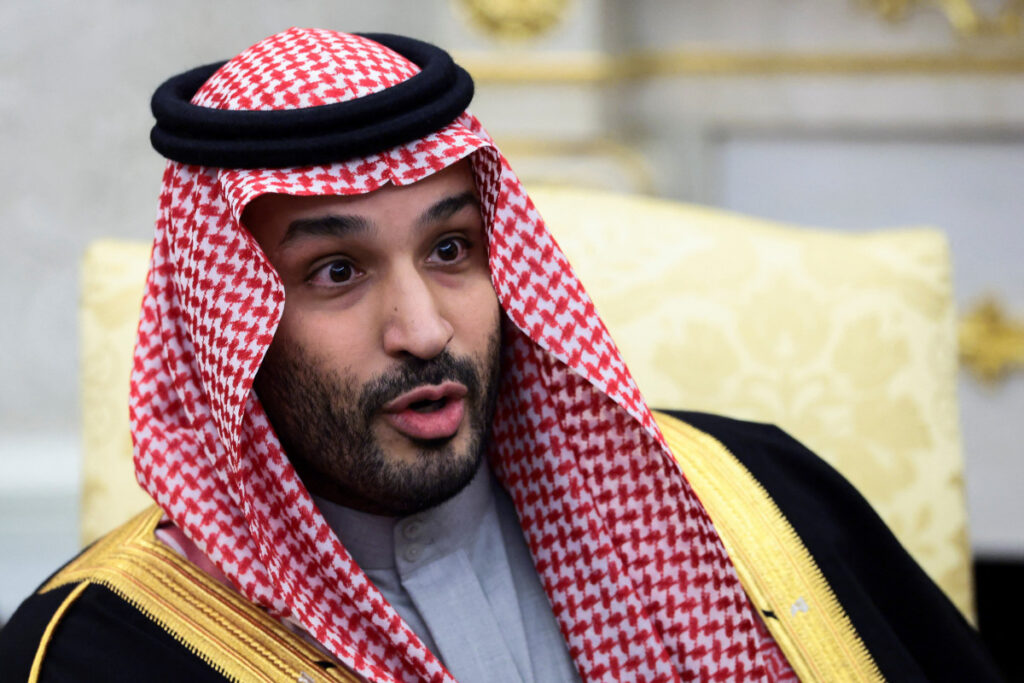

Growing evidence suggests that Saudi Crown Prince Mohammed bin Salman played a significant role in persuading US President Donald Trump to scale back American military strikes against Iran. The reported intervention highlights the delicate balancing act the Saudi leadership must maintain in an increasingly volatile Middle East region, where multiple competing interests and power dynamics constantly reshape diplomatic relationships.
For Saudi Arabia, the situation remains exceptionally complicated. The kingdom finds itself caught between its long-standing security alliance with the United States and the broader geopolitical realities of the region, where Iran continues to assert regional influence despite international sanctions. Crown Prince bin Salman’s apparent influence over Trump administration decision-making demonstrates Riyadh’s efforts to shape outcomes that serve its strategic interests, particularly regarding the containment of Iranian expansion.
However, Iran’s demonstrated lack of genuine interest in diplomatic solutions continues to complicate efforts at regional de-escalation. Despite various international attempts at engagement, Tehran has shown limited willingness to compromise on its regional activities or nuclear programme, making traditional diplomatic channels largely ineffective. This intransigence forces regional players like Saudi Arabia to navigate an uncertain landscape where military action remains an ever-present possibility.
The shifting dynamics underscore the fundamental challenge facing Middle Eastern powers: how to balance security concerns, maintain great power relationships, and pursue long-term strategic objectives without triggering wider regional conflict. For Saudi Arabia specifically, the stakes remain extraordinarily high, with energy security, regional stability, and international standing all hanging in the balance.
Related: Iran's stance on regional conflict
Source: Maariv — Original article in Hebrew.



 © 2026 News In Israel - Israeli News In English. All Rights Reserved.