

An extreme heatwave has caused approximately 16,000 excess deaths across Europe in just one week, according to recent figures that underscore the continent’s vulnerability to climate-driven mortality spikes. The toll reveals a stark reality: Europe’s infrastructure and healthcare systems are struggling to cope with increasingly severe weather events that scientists attribute to climate change.
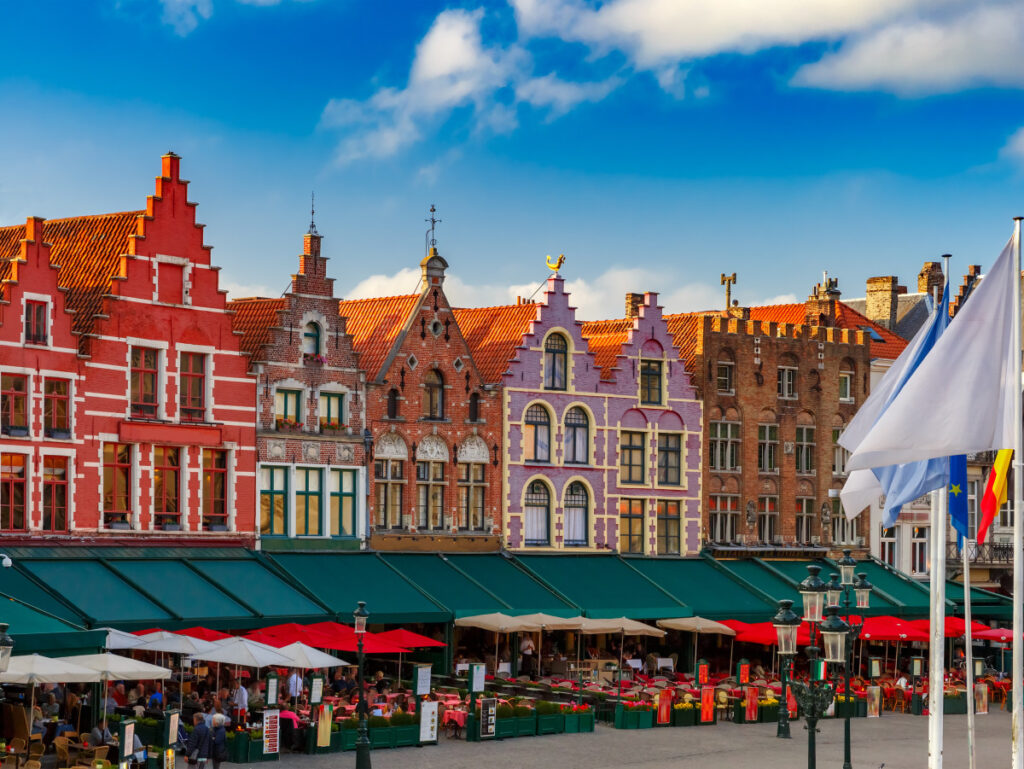
Belgium has emerged as a cautionary tale, with investigations exposing critical failings in its response to the crisis. Elderly residents died in sweltering care homes where temperatures became unbearable, whilst emergency departments operated without air conditioning despite the scorching conditions. Ambulance services and emergency call lines were overwhelmed by the surge in distress calls, buckling under pressure they were not designed to withstand.
The figures represent excess mortality—deaths above what would normally be expected during the same period—and paint a troubling picture of how unprepared many European nations remain despite recurring heatwaves in recent years. Healthcare workers and care home staff found themselves without adequate resources or protocols to protect vulnerable populations, particularly the elderly and those with pre-existing health conditions.
The crisis has forced policymakers across Europe to confront uncomfortable truths: that heatwaves are no longer exceptional events but recurring threats requiring substantial investment in cooling infrastructure, emergency preparedness, and healthcare capacity. Without urgent action, experts warn that similar death tolls will become an annual occurrence as temperatures continue to rise.
Source: Maariv — Original article in Hebrew.






 © 2026 News In Israel - Israeli News In English. All Rights Reserved.