
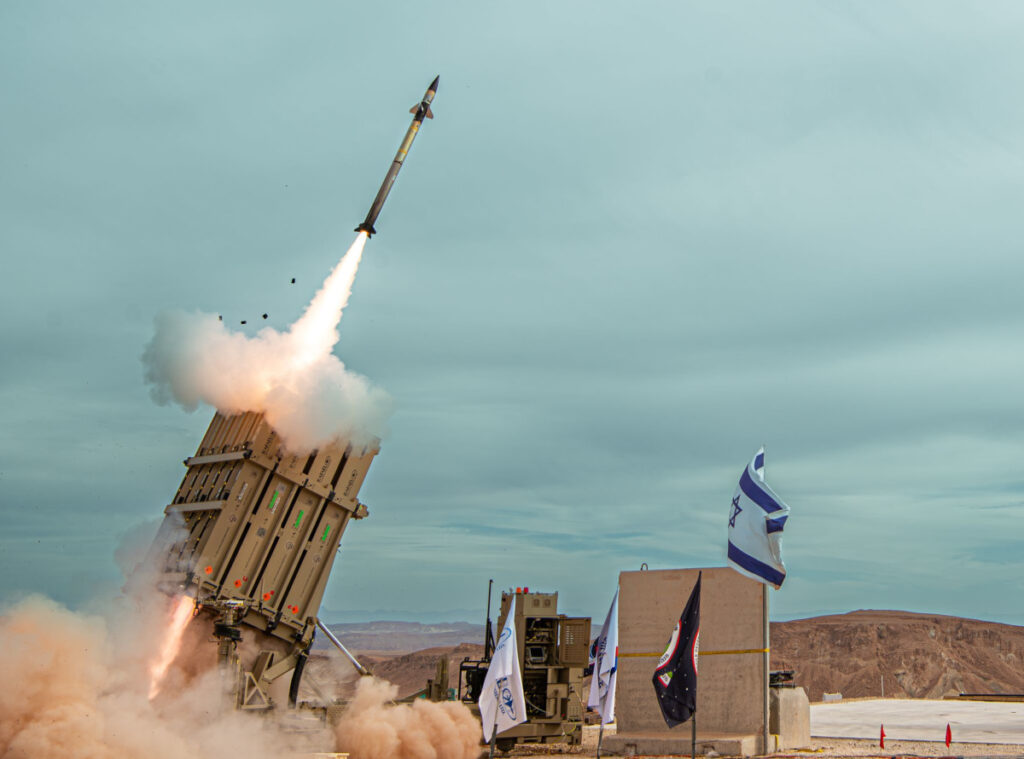

A significant political shock has reverberated through America’s Democratic Party after pro-Palestinian activist Abdel El-Sayed secured a substantial protest vote in Michigan’s primary election. El-Sayed, who ran on an explicitly anti-Israel platform, declared his opposition to all military aid to Israel, including funding for the Iron Dome air defence system, and accused the country of committing genocide. His strong showing in the pivotal swing state has triggered serious concerns among Democratic Party establishment figures about the direction of the party’s Middle East policy.
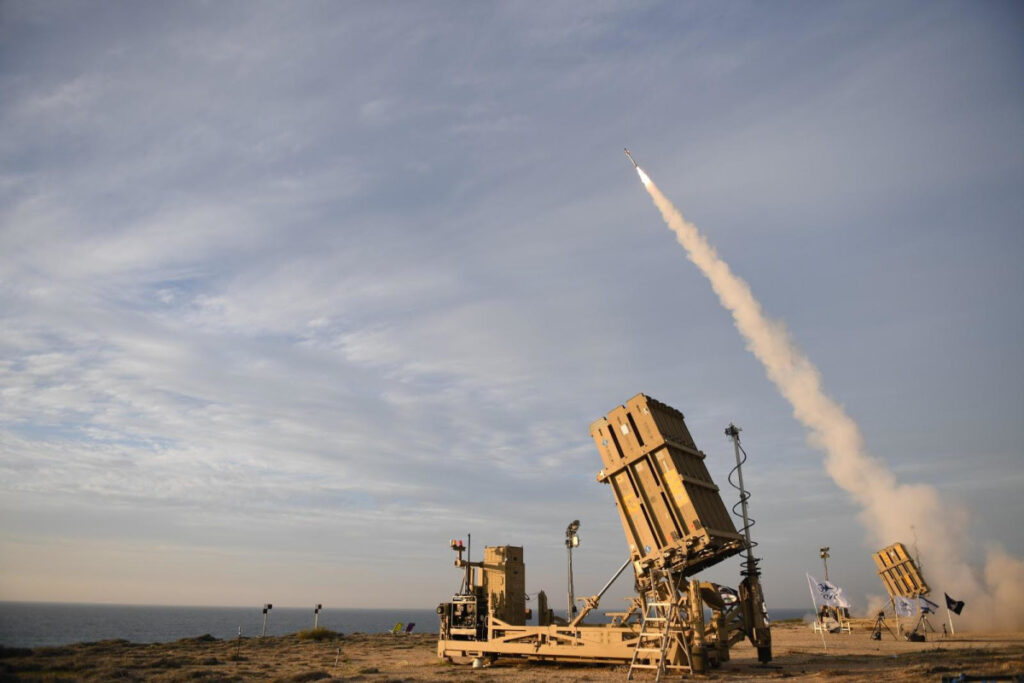
The Michigan result represents a notable shift in how Israeli-Palestinian issues are being discussed within mainstream American politics. El-Sayed’s campaign mobilised significant support from Arab-American voters and progressive activists, reflecting growing discontent within Democratic circles over US military assistance to Israel. His explicit call to halt all defence funding, including the Iron Dome system—which protects Israeli civilians from rocket attacks—signals a hardening of rhetoric beyond previous Democratic criticism of Israeli settlement policy.
The scale of El-Sayed’s support has alarmed party strategists who warn that such positions could complicate Democratic efforts to maintain Jewish voter support whilst appealing to younger, more progressive activists. The Gaza conflict and Israel’s military operations have become increasingly divisive issues within the Democratic base, with younger voters and Arab-American communities showing markedly different views from older party members and traditional Democratic Jewish supporters.
Party insiders are now grappling with fundamental questions about how to navigate the Israel-Palestine question heading into forthcoming elections. El-Sayed’s strong performance suggests that anti-Israel messaging holds genuine appeal among sections of the Democratic electorate, potentially reshaping the parameters of acceptable debate on American foreign policy in the Middle East.
Related: US-Israel relations
Source: Maariv — Original article in Hebrew.


 © 2026 News In Israel - Israeli News In English. All Rights Reserved.