
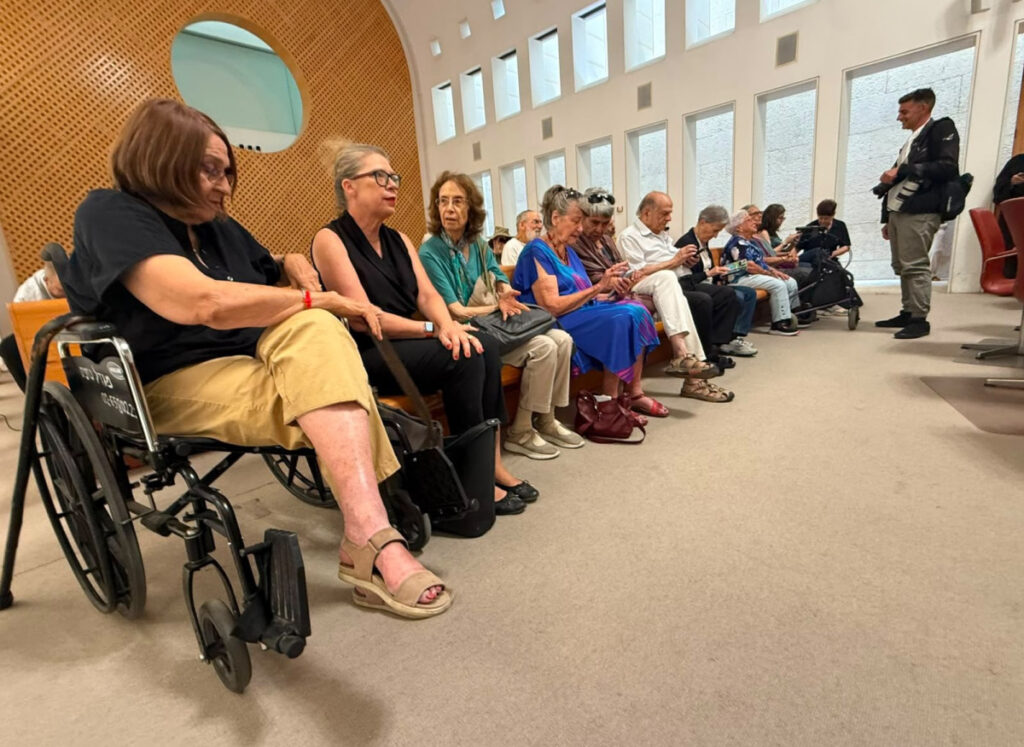

Israel’s decision to exclude residents of nursing homes and sheltered accommodation from voting in the upcoming Knesset elections has drawn sharp criticism as evidence of state indifference towards elderly citizens. The move, which would prevent some of the country’s most vulnerable populations from exercising their democratic rights, has sparked calls for legal intervention. Dr Nachman Shai has characterised the decision as shameful, arguing it reveals a troubling disconnect between the government’s treatment of citizens and its willingness to reach out to voters in other contexts.
The exclusion of care home residents from electoral maps raises significant questions about voting accessibility and equal representation. Elderly people living in nursing homes and sheltered accommodation often face mobility challenges and complex care arrangements that already complicate their participation in civic life. Removing them from voting rolls entirely compounds these difficulties rather than addressing them.
Shai has called on Israel’s Supreme Court and the Central Elections Committee to resolve the matter, suggesting that legal and administrative solutions exist to enable these residents to vote. His comments reflect broader concern about how Israel’s institutions treat its ageing population and whether adequate accommodations are being made for citizens who have built the state but now require care.
The issue highlights tension between bureaucratic convenience and fundamental democratic principles. While electoral administration does present logistical challenges, critics argue that removing entire groups from voting eligibility rather than facilitating their participation sets a troubling precedent and undermines the inclusivity that democratic systems should embody.
Related: Knesset elections
Source: Maariv — Original article in Hebrew.




 © 2026 News In Israel - Israeli News In English. All Rights Reserved.