
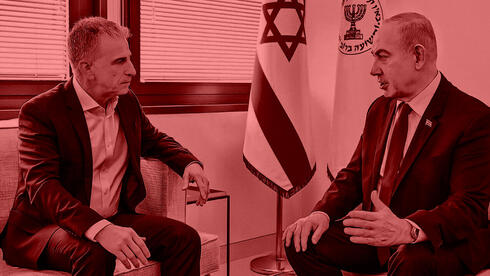

Senior Israeli officials and military figures are now revealing details of an undisclosed strategic objective that underpinned recent military operations against Iran: creating conditions for regime change in Tehran. The revelation has exposed deep divisions within Israel’s security establishment over the true aims of the campaign, with cabinet ministers and intelligence officials arguing over what was actually achieved and at what cost.
A significant credibility gap has emerged between political and military leadership. Cabinet ministers and figures within the security establishment claim that the military fully supported the initial phase of operations, yet the Israel Defence Forces insists it presented all risks and caveats in full, including in written assessments. The Israeli military intelligence research division had warned decision-makers that success was unlikely and that failure could prompt Iran to accelerate its nuclear weapons programme — a warning that appears to have been sidelined in political deliberations.
The operation itself was hastily reformulated after former US President Donald Trump vetoed a separate Kurdish incursion plan, according to sources. One minister acknowledged the high price paid, stating that the air force was unable to accomplish everything that might have been possible regarding Iran’s nuclear capabilities. Meanwhile, the political damage in Israel’s relationship with the United States — a critical strategic ally — went unaddressed by senior leadership, with no official warning issued about potential deterioration in bilateral ties.
Prime Minister Benjamin Netanyahu orchestrated the operation, directing strategy and demanding implementation. Now, as controversy swells, he has remained notably silent on an internal investigation into the decision-making process — effectively waging what observers describe as a battle over the narrative surrounding the military campaign itself.
Source: Ynet — Original article in Hebrew.



 © 2026 News In Israel - Israeli News In English. All Rights Reserved.