
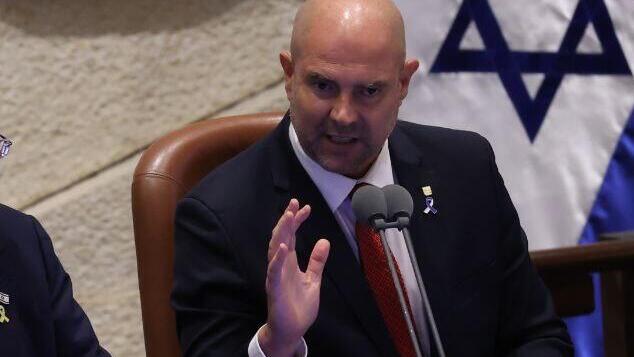

The position of Knesset speaker is a role of state importance, yet Amir Ochana has chosen to make the centrepiece of his primary campaign his fierce battle against Israel’s judicial system. His rhetoric has escalated to include threats of non-compliance with Supreme Court rulings, attacks on the Chief Justice, and calls for sanctions against the state prosecutor.
Ochana’s strategy represents a marked departure from traditional campaigning around the speaker’s role, which typically emphasizes parliamentary management and institutional independence. Instead, the Likud politician has aligned himself squarely with the government’s broader judicial reform agenda, using his positioning on these contentious issues as a defining element of his political identity during the primary race.
The approach reflects the deep divisions within Israeli politics over the role of the judiciary. By prominently featuring his willingness to challenge court authority—including suggesting non-compliance with Supreme Court decisions—Ochana is appealing to voters who support the government’s efforts to rein in what they view as judicial overreach. His campaign has resonated particularly with members of the Likud party’s rightist wing.
Ochana’s emphasis on judicial confrontation rather than speaker-specific credentials underscores how thoroughly the judicial reform debate has permeated Israeli politics at every level. What might traditionally be seen as peripheral to the speaker’s actual responsibilities has become central to how politicians are defining their positions and seeking support within their parties.
Source: Ynet — Original article in Hebrew.



 © 2026 News In Israel - Israeli News In English. All Rights Reserved.