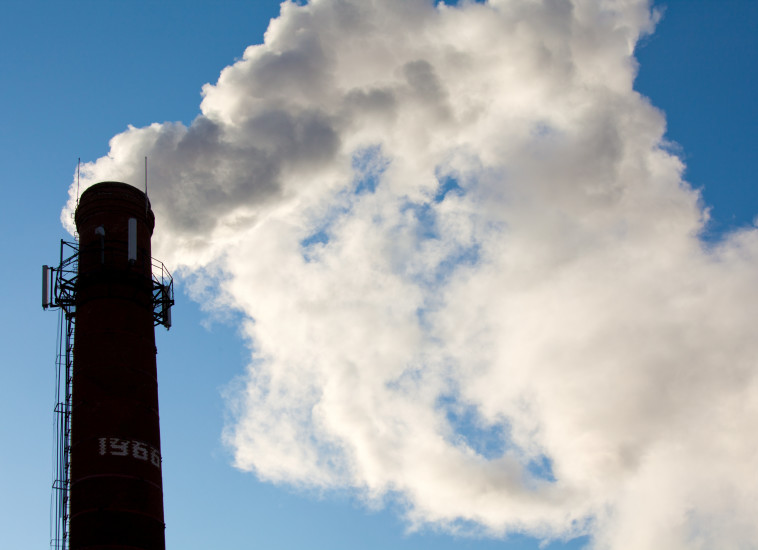

Scientists around the world have recently begun to fear extreme warming in ocean temperatures, and they are concerned that it will add to the global warming of the Earth. The climatic phenomenon known as "El Niño" caused the oceans to warm up and reach the highest temperature in history. However, scientists still do not fully understand what causes this, but they estimate that next year we will continue to see an increase in ocean temperatures.
The scientists explain that due to the increase in ocean temperatures, more marine animals will die, the weather will reach an extreme state and thus the sea level will rise all over the world. We also noted that not only did the overall temperature of the oceans reach a new record in April, in some areas the increase was extreme. Last March, the sea water temperature off the North American east coast was 13.8 degrees Celsius higher than the 1981-2011 average. Researcher Karina von Shukman said that "there is still no solid foundation, why the extreme change is happening so quickly."
According to the researcher, "The climate system has doubled the warming in the last 15 years, I don't want to make a statement about climate change, or natural variability, we still don't know, but we do see the change."
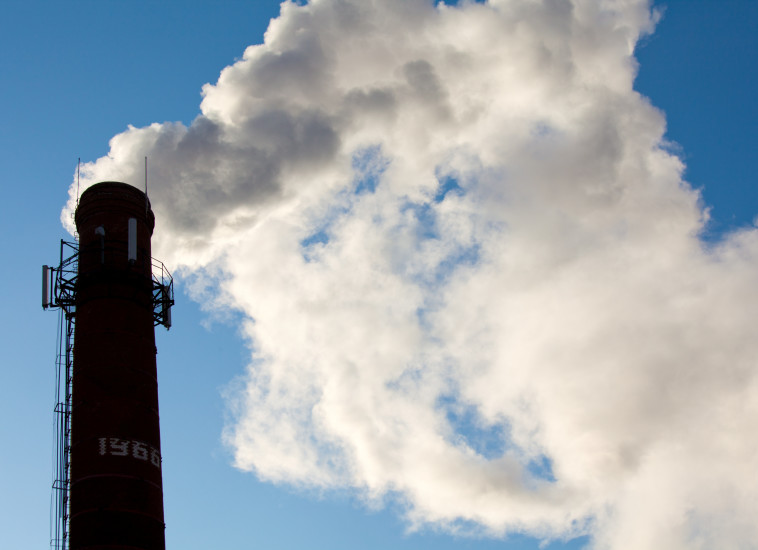 Global warming (illustration) (Photo: Inimage)
Another factor that can affect the heat level of the oceans is the reduction of pollution from ships. In 2020, the International Maritime Organization set a regulation to reduce sulfur content in the fuel burned by ships. This had a rapid effect, reducing the aerosol particles released into the atmosphere. But the aerosols that pollute the air also help return the heat that arrives, and removing them may have caused more heat to penetrate the water.
What are the effects of ocean warming?
The average sea surface temperature has increased by around 0.9 degrees Celsius. This is less than one degree, since over land, the average temperature has increased by more than 1.5 degrees Celsius since the industrial revolution. This is because it takes much more energy to heat water than land, and because the oceans absorb heat deep below their surface.
In addition, the small increase also has significant consequences for the fauna and the loss of species. The frequent heat waves lead to more mortality of marine animals, and are particularly harmful to coral reefs. More extreme weather also causes more natural storms, such as hurricanes. At the same time, we must not forget the rise in sea level, when warm water takes up more space and can accelerate the melting of glaciers.