
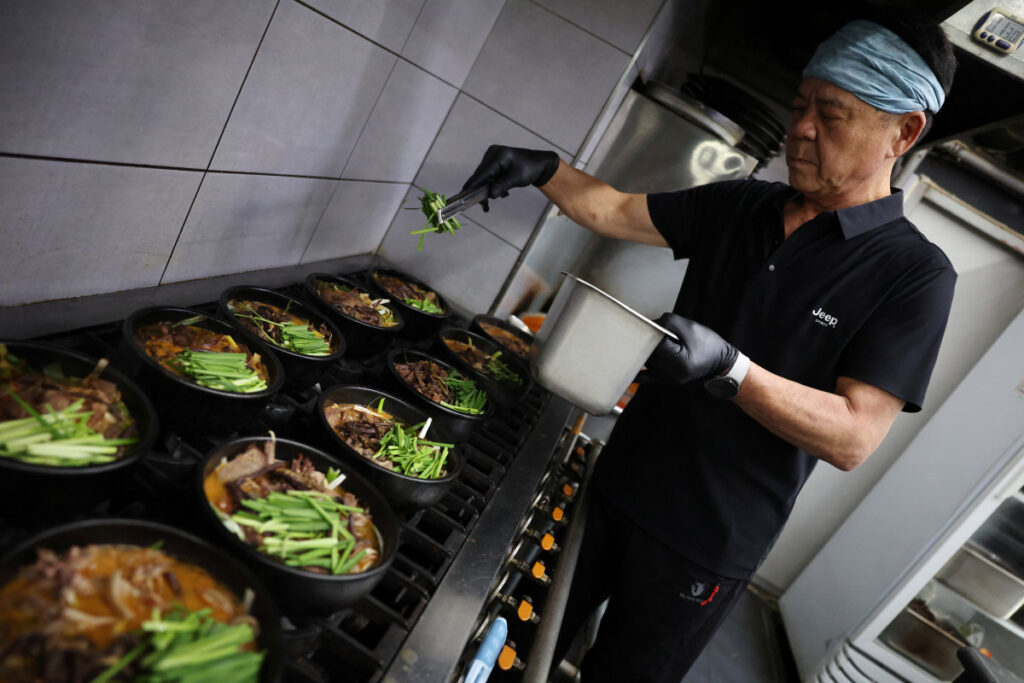

South Korea is poised to introduce a sweeping ban on the sale of dog meat, marking a significant cultural shift in a country where the dish has been consumed for generations. The legislation would effectively end the commercial trade in canine meat, which has long been a source of controversy both domestically and internationally, with animal welfare campaigners celebrating the move as a major victory.
However, the impending ban has left many elderly South Koreans grappling with the loss of a culinary tradition that has been part of their lives for decades. For older generations who grew up eating dog meat, particularly during periods of economic hardship, the dish holds deep cultural and nostalgic significance. The transition away from the practice represents not just a change in law, but a fundamental shift in national identity and values.
Restaurant owners specialising in dog meat cuisine are among those most affected by the proposed legislation. One restaurant proprietor expressed the emotional toll of the change, describing the pain of watching elderly customers leave their establishments empty-handed when the traditional dishes they have long enjoyed are no longer available. These poignant moments highlight the generational divide in South Korea’s relationship with the practice, with younger citizens increasingly opposing dog meat consumption on animal welfare grounds.
The ban reflects broader changes in South Korean society, including growing animal rights awareness and shifting attitudes towards pet ownership, with dogs increasingly viewed as companions rather than livestock. Nevertheless, the legislative move underscores the complex intersection of cultural tradition, ethical considerations, and generational values that characterise modern South Korea’s evolution.
Source: Maariv — Original article in Hebrew.
