
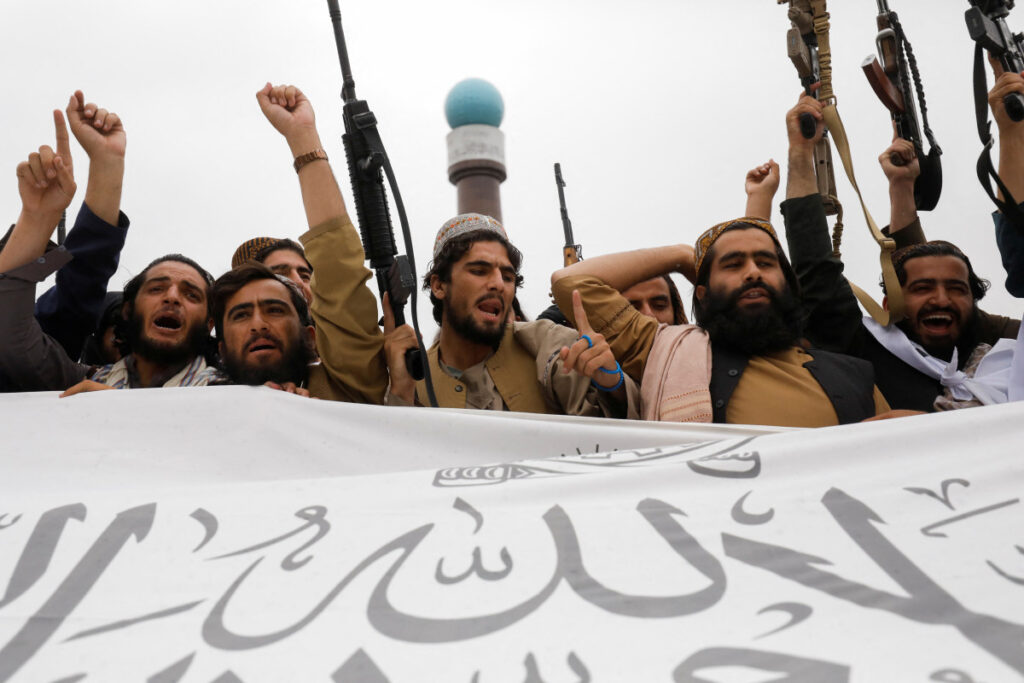

Five years after returning to power in Afghanistan, the Taliban is publicly celebrating its rule in Kabul and projecting an image of stability. However, beneath the surface, the movement faces mounting challenges that threaten its hold on the country, with deepening fractures becoming increasingly difficult to conceal from the international community.
The militant group’s governance has been beset by a series of mounting crises. Armed rebel groups continue to launch attacks in various regions, whilst Pakistan tensions have escalated significantly, creating security concerns along the border. Economic collapse has left millions facing severe hunger, with widespread unemployment devastating large portions of the Afghan population.
International isolation compounds these difficulties. The Taliban government remains largely unrecognised by the international community, cutting it off from crucial development aid and foreign investment. This isolation has intensified the economic hardship facing ordinary Afghans, who are struggling with shortages of basic goods and services.
Internally, reports suggest the Taliban leadership is increasingly divided over governance and policy direction. These ideological and strategic differences are straining the movement’s unity, with various factions pushing differing visions for Afghanistan’s future. What began as a triumphant return to power now faces the harsh realities of running a failed state whilst contending with active insurgencies and humanitarian catastrophe.
Source: Maariv — Original article in Hebrew.



 © 2026 News In Israel - Israeli News In English. All Rights Reserved.