The growing alertness and tension in line with reports of progress in talks on a hostage deal and a ceasefire in Gaza are shaking not only the political-security cabinet – but also the entire political system. The question that has been somewhat forgotten in recent months is once again returning to center stage: Will the deal topple the government?
The answer that appears today is very different from the one that was perceived as necessary not so long ago. An assumption that is the basis for any reasonable assessment is: they do not want elections – neither the coalition nor the opposition. The word "elections" makes them shudder. Benjamin Netanyahu today – probably the only one who does not get a migraine at the sound of this word.
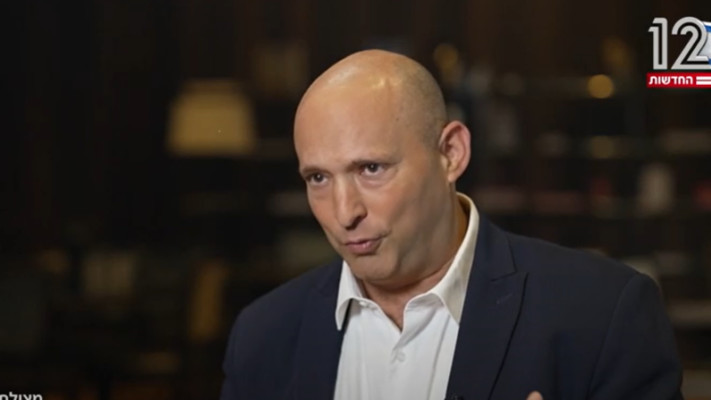
Despite the talk and threats – the vast majority of opposition members do not really want elections now. The first reason is technical-political: the entire formation is divided. Gadi Eisenkot resigned and created a split ; Naftali Bennett is spreading fascinating teasers, but has not yet committed to anyone; and Yair Lapid is not exactly happy with the polls. In this situation, the opposition is not at all prepared to compete. Not now.
The second reason is more complex: It is already quite clear that in the next elections, the Likud will stand with two leaders to lead it in the campaign – Benjamin Netanyahu and Donald Trump . Although Trump cannot formally be a player in Israeli politics, when did formality bother him?
In practice, he will be part of the campaign. Anyone who doesn't believe it should read slowly and carefully the two texts that the American president published in favor of canceling Netanyahu's trial. Trump and Netanyahu are already coordinating ahead of the elections, and the opposition sees this and fears, rightly, a Likud victory that could still come with Washington's support.
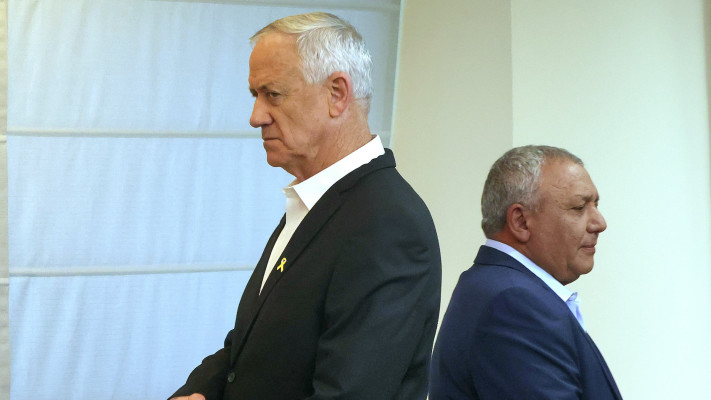
And there is also Benny Gantz , as of yesterday – again the leader of Blue and White. What is his option? Since the departure of the emergency government, Gantz's position in the polls has been deteriorating. Yair Lapid on one side, Yair Golan on the other, and Gadi Eisenkot is no longer by his side. Even the rhetorical setting of a "responsible opposition" is failing to excite the public. In order to survive politically – Gantz must make a strategic change. Let's hope that Benny Gantz understands that today he has no chance of competing with his opposition, with the image that has been created for him – neither against Yair Lapid nor against Yair Golan. His only way to survive is to do something different.
The rejoining of the Netanyahu government could actually serve this move. If he goes ahead with it, Gantz may frame his rejoining of the ruling coalition not as a surrender – but as leading a balance line: a broad, national, Jewish and Zionist coalition – that will balance the Likud and be able to produce significant moves, beyond a hostage deal: a conscription law, economic reforms and what not.
The message that Gantz can convey in a scenario of joining the government: "I am not the alternative to the Likud – I am the force that can restrain the Likud and its partners, from within." The situation of the heads of the right wing, Ben Gvir and Smotritz, is also different today than before. The two prominent ministers of the distinct right oppose the deal and their opposition is an authentic position. At the same time, they are in no hurry to dismantle the package.

Bezalel Smotrich only partially controls his party, and his people are reluctant to go to the polls when the polls are not looking good. Ahead of the next elections, Ben-Gvir is interested in building a more balanced national image, and he understands that the campaign against Netanyahu is currently futile.
Even if the hostage deal gets underway – as long as it stays within the parameters set by Steve Witkoff – it is possible that both Ben-Gvir and Smotrich will wait with their withdrawal moves. The coalition mechanism will remain stable, and perhaps even expand – if Gantz surprises.