
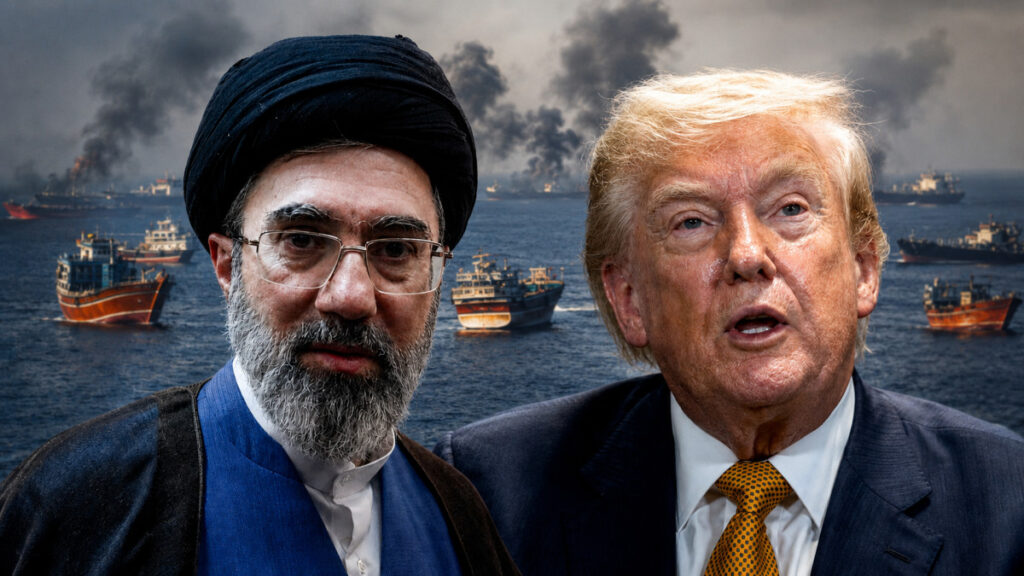

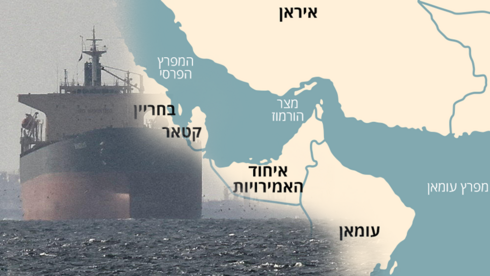
Iran and Oman are moving closer to a potential agreement that could reopen the Strait of Hormuz, one of the world’s most critical shipping channels, but disagreements over Iranian control, toll fees, and sanctions relief are facing pushback in Washington. The negotiations, which have been conducted through backchannels involving the sultanate of Oman as an intermediary, threaten to complicate relations between the incoming Trump administration and regional powers concerned about American interests in the Gulf.
The proposed deal would require Iran to agree to terms governing maritime traffic through the strategically vital waterway, which links Middle Eastern oil producers to global markets. However, the thorniest issue remains what level of control Iran would exercise over passage through the strait, alongside questions about what fees or tariffs would be imposed on commercial vessels.
American officials have expressed concern that any arrangement could inadvertently strengthen Iran’s negotiating position or provide it with leverage over international shipping. The incoming Trump team faces a delicate balancing act: maintaining pressure on Tehran through existing sanctions whilst potentially engaging in diplomatic discussions that could stabilise one of the world’s most economically important maritime routes.
Analysts warn that the administration must carefully evaluate whether opening the strait would genuinely benefit global commerce or simply grant Iran greater influence over a chokepoint through which roughly one-third of seaborne-traded oil passes daily.
Related: US-Iran tensions
Source: Maariv — Original article in Hebrew.




 © 2026 News In Israel - Israeli News In English. All Rights Reserved.