
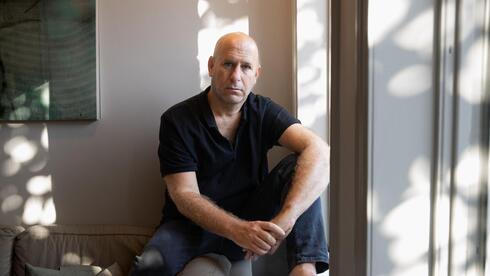

Parents of soldiers suffering catastrophic head injuries from Israel’s ongoing conflict are grappling with a profound and often unspoken tragedy: their children have physically returned from battle, but the people they were before the war may be gone forever. These families describe a heartbreaking limbo where a son or daughter lives on, but fundamental aspects of their personality, cognition and ability to engage with the world have been irreversibly altered by traumatic brain injury.
The phrase “a sleeping child, a new child” captures the devastating reality faced by these parents. They watch as their loved ones exist in a state fundamentally changed by severe head trauma sustained during combat operations. Many soldiers with grave brain injuries regain consciousness and survive, yet remain profoundly cognitively and emotionally different from who they were before deployment. Family members describe the anguish of living with someone who looks like their son or daughter but may no longer recognise them, communicate meaningfully, or retain the memories and personality traits that defined their relationship.
Israeli military medical services have made advances in treating acute head trauma on the battlefield, enabling more soldiers to survive injuries that would have been fatal in previous conflicts. However, this medical progress has created a new crisis: hundreds of families now face the long-term reality of caring for someone with severe permanent disability. The psychological and emotional toll on parents is immense, as they mourn not a death, but the profound transformation of their child into someone they must learn to know again.
These families call for greater awareness and support services tailored to the unique challenges of severe brain injury, including specialised rehabilitation facilities, mental health support for family members, and recognition that recovery from such injuries extends far beyond the initial medical treatment. Their voices underscore a lesser-known cost of armed conflict: the thousands of families living in a state of perpetual grief, caring for loved ones who are physically present but existentially changed.
Source: Ynet — Original article in Hebrew.


 © 2026 News In Israel - Israeli News In English. All Rights Reserved.