
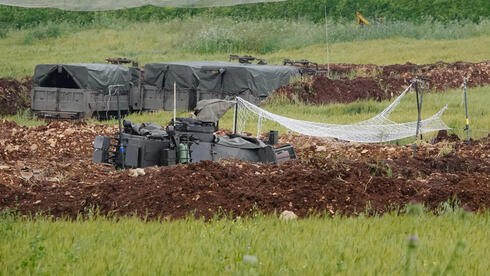

Families who choose to build their lives in Israeli border towns don’t simply gain affordable housing and open countryside. They accept a more challenging existence: longer distances to hospitals, sparse or non-existent public transport, fewer educational and recreational options, and the constant backdrop of security threats that become woven into everyday life.
These communities exist on the frontline of Israeli society, where residents endure genuine hardships beyond those faced by most citizens. The security situation isn’t an occasional concern but a permanent reality that shapes everything from children’s education to housing construction standards.
Tax incentives for border settlements are therefore not acts of government benevolence but rather fair compensation for real sacrifices. These allowances help offset the genuine costs of living in vulnerable areas – both the tangible expenses of limited services and the intangible toll of persistent security concerns.
Without such measures, attracting and retaining residents in strategically important border communities becomes significantly harder. The tax benefits serve a practical purpose: they help maintain population in areas that are vital to Israel’s security infrastructure and territorial presence, while recognising the additional burdens placed on those who live there.
Source: Ynet — Original article in Hebrew.



 © 2026 News In Israel - Israeli News In English. All Rights Reserved.